
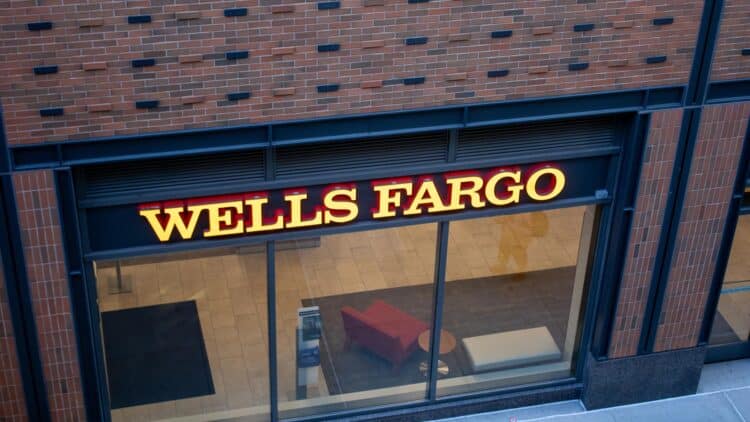
Wells Fargo, one of the largest banks in the United States, is embroiled in a massive settlement that has captured the attention of thousands of people across the country. The bank has been caught red-handed violating consumer privacy laws.
So much so that a settlement of US$19.5 million has been reached. Customers most affected by this may receive up to $5,000 in compensation. This has been a fairly serious legal issue that has sparked a class action lawsuit. If you think you have been affected by this Wells Fargo privacy breach, we will show you how to check if you qualify to receive this payment.
Two-Party Consent
But how could such a large bank have made such a mess of privacy? Technically speaking, Wells Fargo wasn’t entirely to blame. As a financial banking giant with a wide range of services across the United States, it often works with external contractors to manage certain tasks. This is where the legal problem begins. The root of this lawsuit lies in the actions of a sales company that was subcontracted by Wells Fargo.
This company is called The Credit Wholesale Company Inc., or “Wholesale” for short. Wholesale was engaged in making telemarketing calls to individuals and small businesses on behalf of Wells Fargo. In Mexico, it focused on selling credit card processing services and other related equipment. The crucial mistake made by this company was that it recorded telephone calls without first notifying the recipients (or rather, the people who picked up and answered the phone call). This is a direct violation of a state privacy law, specifically the California Invasion of Privacy Act (CIPA).
O is one of the strictest states, specifically governed by the principle of “consent of the parties.” This means that everyone involved in a telephone conversation must be informed and must give their express consent for the call to be legally recorded. The plaintiffs allege that Wholesale recorded thousands of calls between 2014 and 2023 without obtaining such permission. This represents a direct attack on freedom and consumer privacy. This entire legal case is known as Aguilar Auto Repair, et al. v. Wells Fargo Bank N.A., et al.
The Big Settlement: $19.5 Million
In most of these class action lawsuits, Wells Fargo and its partners have denied any wrongdoing. However, they have agreed to the settlement, which spares them the long, costly, and uncertain legal process of going to trial. Finally, they have agreed to pay a total of $19.5 million to settle the litigation. This million-dollar fund will be used for three main purposes: to compensate class action members affected by the recordings, to cover the plaintiffs’ attorneys’ fees, and to pay the administrative costs of the settlement process.
This agreement also requires the company responsible for the illegal recordings to implement compliance changes. From now on, The Credit Wholesale Company Inc. (for whatever it’s worth) will commit to clearly informing California businesses before making future recordings of calls. We can read between the lines that other businesses and consumers living in other states can go jump in a lake.
Who Qualifies and Why?
As you may have guessed, only individuals or businesses located in the state of California are eligible for the class action lawsuit. The recorded call without consent must have been made by The Credit Wholesale Company Inc. between October 22, 2014, and November 17, 2023—calls outside of these dates do not count.
You must be able to provide the phone number or name of the business that received the recorded call. This requirement is necessary to validate your claim. It is estimated that you will be compensated $86 for each eligible call. If your business received multiple recorded calls without consent during these nearly 10 years, you can file a claim for each one and receive multiple payments.