
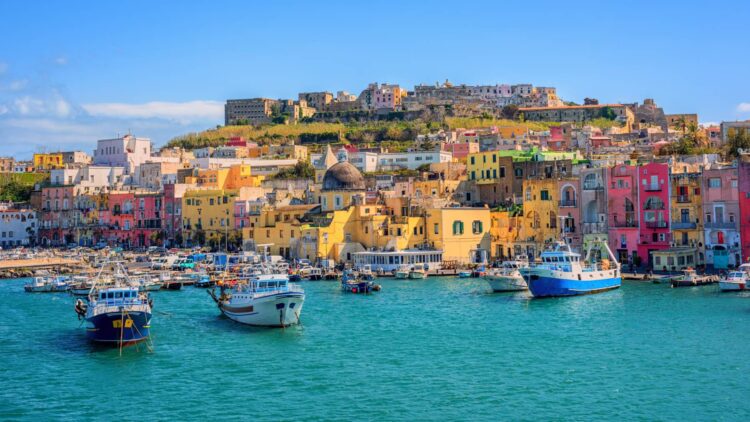
If you have had the pleasure of enjoying a vacation in Europe, you have probably experienced a strange feeling of disorientation upon returning home. It is not jet lag —although it is that too—but rather a profound sense of having left behind a different way of life, one that we could almost describe as “more human.” Yes, we know that everyone on vacation sees life through rose-colored glasses, but it seems that every time we visit a European city, life is more peaceful, everyone has time to walk everywhere, and you can enjoy lunch in peace, savoring life.
This is the Old Continent, and while we have many economic and social privileges, we can’t help but feel a pang of longing for a possible life that seems to offer more well-being, community, and a way of savoring life at a slower pace. Here are some of the things that strike us most as Americans visiting abroad.
The luxury of time
The GDP of many European countries may be lower than that of the poorest state in the United States, Mississippi. What we do know is that in many countries outside North America, citizens seem to have the luxury of being able to take their time. Meanwhile, our routines in the United States are marked by rushing, endless work, and eating lunch in less than 10 minutes before returning to work. It seems that across the pond, the right to leisure is almost a constitutional right.
This is evident in small habits, such as the passeggiata in Italy. It is nothing more than a simple, leisurely stroll through the town, traditionally taken before or after dinner. The secret to all this is that most of the population takes this walk at the same time: it’s the perfect time to run into your friends and acquaintances, stop for a few minutes to chat, and reconnect. It’s completely organic, without having to open Instagram or write a text message on your phone. It’s like something out of an Animal Crossing video game. When was the last time you bumped into your friends by chance on the street? It seems that in the United States, taking a stroll with no particular destination in mind is almost suspicious.
If you don’t feel like walking around, you can always sit on a terrace with a coffee. The American obsession with Starbucks seems like child’s play compared to the coffee culture that exists in much of Europe. Unlike American coffee shops, where we just want our Frappuccino in a plastic cup so we can rush off in our car, in Europe—and especially France—the coffee is almost irrelevant; you’re renting the space at the table. So you can stay for an hour chatting with your companion, reading, or simply watching the world go by.
Urban design that predates cars
If you have visited the historic center of any non-European city, you will have noticed that they were designed centuries before Henry Ford created the assembly line and put an engine in the horse-drawn carriage. The streets are much narrower, to avoid the summer heat, and there is much more space for walking.
But let’s not think that Europe has always been this idyllic: in the last 25 years, they have made a great effort to pedestrianize their historic centers… Even to the detriment of local residents who have small cars. Between strong legislation to protect pedestrians and improvements in public transportation, it’s normal for an American who is used to driving to be surprised to see how they can travel by subway, bus, or tram and get anywhere they want without having to start a single car.
Food—and life—outside the USA
In America, food is fuel. However, it seems that in many other countries it is a ritual, a delight, an experience. If you go to a restaurant in the United States, you can be sure that you will always find some staples: burgers, butter noodles for the kids, etc.
This is not the case in Japan. In this eastern country, many restaurants choose to specialize in a single type of food… And they take it to the highest level of perfection. It could be tempura, ramen, yakitori, or simply sushi. Jackie Chan said that he didn’t have a man who trained 1,000 kicks once, but rather trained one type of kick 1,000 times. If you go to a specialty restaurant in Japan, you can be sure that you will eat the best specialty food of your life.
What did you experience on your last trip abroad that made you ponder on life and the way we live?