
As Ray Bradbury described in his short story There will come soft rains, Earth will move on if humankind ever goes extinct—by its own hand of by any other external disaster. It will keep on raining, the sun will go up and down, and Nature will continue its course. Even though we haven’t been around for all that long, we’ve changed the planet in endless ways, leaving our mark on every stretch of land and water.
However, history proves that no living thing stays around indefinitely. It is heavy to think about a future where we don’t exist, but it also makes you wonder what might take over once we’re gone.
Ever since humans developed agriculture hundreds of thousands of years ago, our species has terraformed most of the landscape. Over the course of millenia, we have wiped out woods, scraped seafloors, and even affected our atmosphere.
But plenty of scientists believe the natural world will adjust after we vanish. That raises the issue of exactly who—or what—would step up to fill our shoes.
Life goes on and on and on (once humans gone extinct)
Tim Coulson, a professor at Oxford University, has dedicated years to researching how life evolves. He thinks that if we vanished, it would create space for unexpected creatures to step in and fill the gaps we currently occupy in nature.
In his book, The Universal History of Us, he looks back at the full story of existence and focuses on one specific, bold guess about what the future holds.
A central idea in his work is evolution, which he defines as the slow shift in living things over time as they get better at fitting into their surroundings. He points out that although most genetic tweaks are dangerous, a small number give an animal an edge in surviving or breeding. Since DNA gets passed down, these helpful changes appear more frequently in future generations.
According to Coulson, genetic mistakes actually push life ahead, even if they are risky. However, he notes that no type of animal sticks around forever. “Extinction is the fate of all species, including humans, although let’s hope our demise is far in the future.”
Coulson’s perspective is built on years of investigating how species start, persist, and sometimes fade away. “I began to ask myself which animal would take over if we, along with our primate cousins, were to disappear,” he mentions. If you take people out of the equation, the planet’s systems might stabilize, potentially letting fresh organisms step into the roles we left behind.
What would the next apex predator be like?
No one is sure if the next dominant creature will look anything like us. Coulson suggests that fresh types of brainpower and complexity might appear where we least expect them.
That means a future species could invent tools and solve problems in ways we can’t even imagine today.
Some folks think apes or monkeys are the most likely heirs, but Coulson questions that assumption.
He explains that primates rely deeply on close social bonds, adding that their survival hangs on things like hunting, grooming, and protecting the group. Because they have such specific needs, they might have a really tough time adapting to a world that is going through major environmental changes.
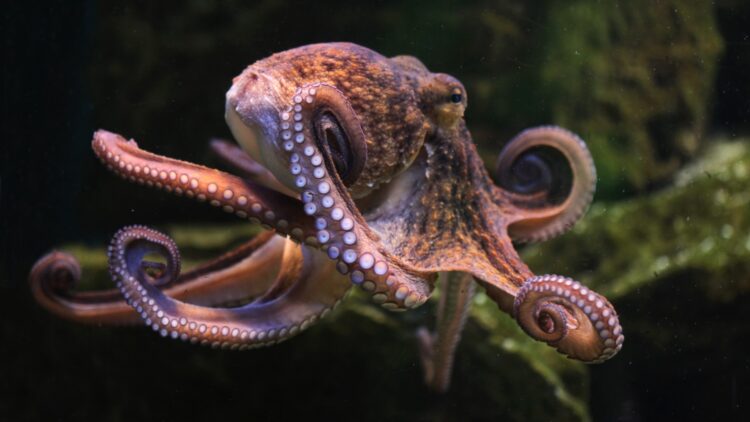
Tim Coulson discards the idea of a Planet of the Apes dystopic future—it’s a hackneyed theme at this point—and presents another peculiar candidate: the octopus. Yes, they are slimy, need to live in water (or remain heavily moisturized), but their intelligence is one of the most well documented there are, right there with ravens and whales.
“The way they figure out tricky puzzles, talk to each other using bursts of color, and handle physical items implies that, if the planet changed in their favor, they could eventually develop a complex society.” He goes on to say, “their complex brain setup, decentralized nerves, and incredible knack for solving problems mean that various octopus species are ready to handle a chaotic future.”
People already know octopuses for being inventive and a little prone to causing trouble.
“Believe it or not, there are stories of them sneaking out of their tanks in labs after dark to drop in on their neighbors,” Coulson notes. It is a fact that they utilize tools, unscrew lids, and show clear signs of being inquisitive.