
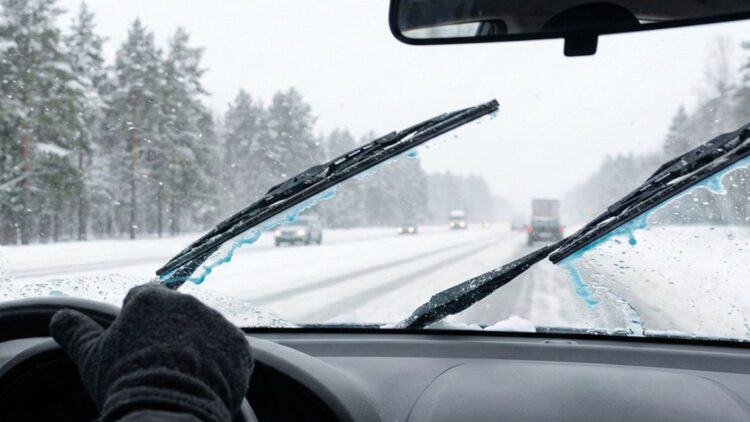
Although most people own a car, not everyone knows all the ins and outs of automobiles. One of the most frequently used functions is precisely where drivers tend to make the most mistakes. Experts remind us that putting tap water in the windshield washer fluid is not a good idea. It’s best to use a suitable fluid to prevent a sludge from forming inside the reservoir, which can then clog the windshield washer system.
Another way to do it is to add a generous amount of dish soap, as it usually has a higher concentration
Experts recommend researching thoroughly before modifying car parts that may be more sensitive than others, as is the case here. One of the simplest methods, and also one of the most common among drivers, involves combining two parts water with one part windshield washer fluid, for example. The reason is that modern car windshield washer systems are a network of pumps, nozzles, hoses, and sensors that are not designed to operate with untreated water, so using tap water should not be an option. In fact, another way to do it is to add a generous amount of dish soap, as it usually has a higher concentration. The point is that, depending on where drivers live, tap water can contain minerals and other substances that accumulate in the system, affecting its performance.
So, before embarking on a trip, this is one of the things to check on your vehicle. It’s also recommended to check tire pressure, brakes, lights, and so on. Regarding windshield washer fluid, it’s important to keep in mind that simply checking and filling it isn’t enough; it’s best to carry extra fluid in case you need it along the way. Another drawback of using tap water is that in winter, problems can multiply when the water freezes, blocking the flow and making components vulnerable to damage. That’s why experts also recommend adding a few drops of dish soap to help reinforce the degreasing effect. The right windshield washer fluid, which is more complex than you might think, is designed to prevent these problems. In other words, simply using tap water isn’t enough, as over time it could lead to limescale deposits and blockages in the car’s system.
The right mixture of distilled water, liquid dish soap, and white vinegar is sufficient for the warmer months
On the other hand, while ordinary water freezes at 0°C (32°F), some winter windshield washer fluids can remain liquid until the temperature drops to 4°C (40°F). Therefore, it’s recommended that the fluid include degreasing and antifreeze components, which will require adding certain products to the washer water. Avoiding a cold-weather solution and using tap water could cause freezing blockages, preventing the fluid from reaching the windshield.
Experts know that, for most people, using tap water in windshield washer fluid is the cheapest option, but they warn of the consequences. They also offer ideas for avoiding the need to buy a specific fluid if your budget is tight. Alternatives like those mentioned above are a good solution. The right mixture of distilled water, liquid dish soap, and white vinegar is sufficient for the warmer months. Using other methods risks damaging the system’s components, as water expands by 9% when it freezes. The reservoir, pump, and pipes aren’t designed for that extra volume, increasing the risk of cracks or leaks. Therefore, you can add the appropriate amount of isopropyl alcohol to the water, which can prevent the homemade windshield washer fluid from freezing.
Ultimately, if money is the issue, there are inexpensive options using common household items without jeopardizing your vehicle or your family’s finances. In any case, if you have any doubts, it’s advisable to consult a mechanic or expert to avoid causing further, more costly damage.