
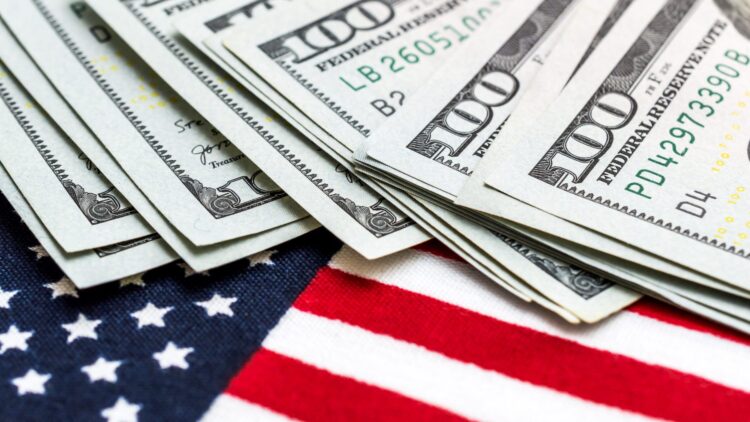
With the peak in popularity of contactless payments, sometimes we tend to forget that cash still exist. However, no matter how reliant we become on Apple Pay, credit cards and NFC smartphone payments, dollar bills are still the ultimate legal currency to pay taxes, products and services in the United States. However, that doesn’t mean that businesses cannot be picky about the state of the Benjamin Franklin bill you hand them to pay for groceries.
Major chains like Walmart and Target, along with banks, are going to start refusing bills that look sketchy or are in bad shape. The point of this update is to stop counterfeits from circulating and keep the financial network secure. If old habits die hard and you prefer to carry a wad of cash, you’ll need to make sure those dollar bills are in good enough condition when you hand them to the cashier–and make sure the bill you get back is in good condition too.
What bills are no longer accepted at supermarkets?
The U.S. Bureau of Engraving is working with the Secret Service and the ACD committee to keep the cash supply secure and in good condition. Because of this goal, they are telling big stores like Target and Walmart to turn away “mutilated” money, which means bills that are ripped, have messed-up edges, or look badly faded. The idea behind this rule is to stop people from using worn-out cash and to make the financial system safer by cutting down on the chance of fake money slipping through at the register.
If you have ever left a dollar in your jeans and put it through the wash, that money has faced water, high heat, and harsh stuff like soap and softener. Accidentally cleaning your cash this way can wash off some of its security details, making it harder to tell if the bill is real or fake.
U.S. Secret Service reports show that the amount of fake money moving around the economy has gone up significantly. To fight back against fakes, lots of shops across the country have started a new rule that lets them refuse damaged bills since it is tougher to check if they are legit.
Right now, the Federal Reserve puts out cash in seven different values: $1, $2, $5, $10, $20, $50, and $100. Even though they don’t print $500, $1,000, or $10,000 notes anymore, some of those big bills are still out there. Just like regular cash, stores can only turn these bills down if they officially count as “mutilated.”
Dealing with your worn down cash bills
The Treasury Department’s printing bureau says a torn bill can still be worth something, but it has to fit specific requirements before you can trade it in for a fresh one. If you still have more than half of the note and can back up its history with proof like photos or witnesses, you can send a claim to the Treasury so they can take a look. Just keep in mind that without strict rules, someone could easily tear a bill into pieces and try to swap those scraps for multiple new notes.
You can usually swap a worn-out bill at your local bank, where a teller will check it and give you a fresh one as long as they believe it is real, but for really messed-up cash, you can mail it to the U.S. Treasury Department. To start a claim for destroyed or mangled money, just stick to these steps:
- Fill out the right paperwork: Go to the Bureau of Engraving and Printing (BEP) site to download the Claim for Damaged or Mutilated Currency Form and fill it in.
- Get your package ready: Put the damaged cash (make sure there’s more than half a bill there) and your proof in the envelope along with the form you filled out.
- Mail it off: Send everything to this address: Bureau of Engraving and Printing, Mutilated Currency Division, P.O. Box 37048, Washington, D.C. 20013.
- Keep an eye on your request: You can reach out to the BEP to see how things are going, but keep in mind that the review might take a few months if the case is tricky.
- Get your money back: If they accept your claim, the Treasury will send you a replacement for what the bill was worth.
If you need more help, just visit the BEP online or give their customer service line a call at 1-866-575-2361.