
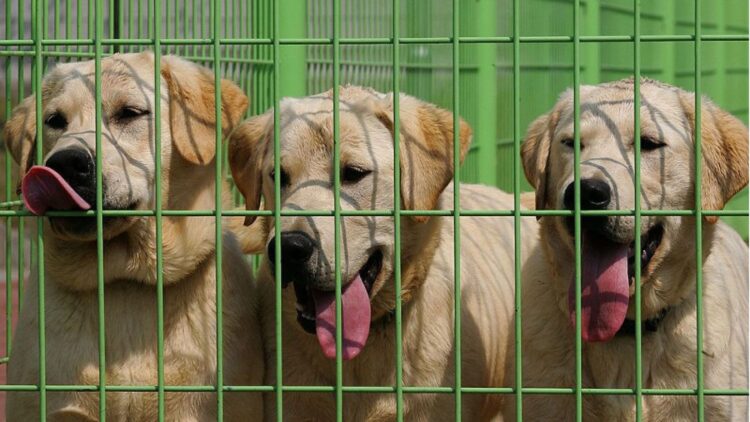
Protecting pets is essential given the large number of pets kept in homes across the country. This is why authorities in the United States and Europe have introduced new regulations on transparency in financial services and a ban on puppy mills. Pet-related laws take effect this month, imposing harsher penalties on pet owners and stricter regulations for pet sellers.
In Pennsylvania, pet owners must renew their dog licenses or risk a $500 fine
Going back to the fall of last year, on October 15, the Las Vegas City Council introduced Bill No. 2025-35, which seeks to amend several provisions of Title 7 of the Las Vegas Municipal Code (LVMC), covering regulations on animal ownership and control. Specifically, in Pennsylvania, pet owners must renew their dog licenses or risk a $500 fine. Annual dog licenses can be renewed for $10.80, or $8.80 for senior citizens. This is important because it helps regulate pet ownership.
“Declawing is not just trimming their nails; it is a painful amputation that has no place in a compassionate society”
On October 9, the California government signed four bills into law to protect pets and their owners, three of which aim to end puppy mills. For example, the law, in effect since January 1, prohibits owners from declawing cats for cosmetic or behavioral reasons. “Declawing is not just trimming their nails; it is a painful amputation that has no place in a compassionate society,” stated Dr. Marilyn Kroplick, president of Animal Defense.
Lifetime and annual memberships can be purchased online or by check made payable to the County Treasurer
Among the measures in California is Assembly Bill 506 (AB 506), which requires pet sellers to disclose the animal’s origin and health information. It also eliminates contracts that include non-refundable deposits, which, according to the government, often lead pet owners to purchase unhealthy animals, thus fueling the puppy mill industry. Regarding licenses, pet owners can opt for a lifetime license, which costs $52.80, or $36.80 for seniors and people with disabilities. It’s also important to know that lifetime and annual memberships can be purchased online or by check made payable to the County Treasurer.
Senate Bill 312 (SB 312) requires dog importers to submit health certificates electronically to the California Department of Food and Agriculture (CDFA)
Regulations are important to limit the buying and selling of animals, of living beings. The second bill, AB 519, prohibits pet brokers, especially online, from selling cats, puppies, and rabbits bred by others for profit in California. Finally, Senate Bill 312 (SB 312) requires dog importers to submit health certificates electronically to the California Department of Food and Agriculture (CDFA) within 10 days of shipment and requires the CDFA to provide those certificates upon request. This helps limit the illegal buying and selling of pets. But to achieve this, we must remember civil liability.
Above all, maintaining the well-being of pets
As in many other situations, if there’s no demand, there’s no supply. In other words, if there are no people to buy animals, there are no sales. Generally speaking, that’s how it works, hence the importance of people being informed about the regulations and the consequences of not complying with the law. And above all, maintaining the well-being of pets. Consider that cropping their ears or declawing them causes them great pain, which, according to experts, can even be chronic pain, and it’s not natural for them. Animals can’t communicate by speaking or express pain, so let’s care for them in the best way we know how; the way we would like to be cared for ourselves.