
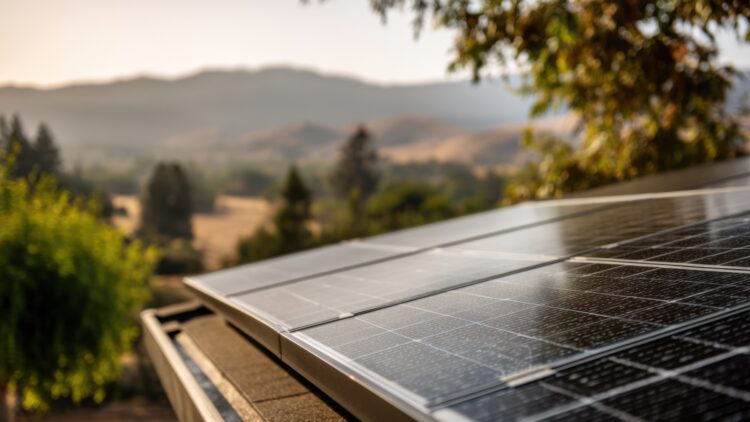
In an ideal world, everyone would have solar panels on their homes and we wouldn’t need to rely so heavily on fossil fuels. In the real world, anyone who has tried to install this type of system in their home will have come up against a concrete wall called bureaucracy. The elites may be in favor of installing solar panels, but the reality is that the government does nothing but put up obstacles, taxes, and hundreds of impediments to prevent you from doing what you want on your private property.
That’s why Texas, despite its reputation as a state that is not very hippie and in tune with nature, has created laws to ensure the energy independence of its citizens. The process of installing solar panels and backup batteries was a test of patience even for a Buddhist. Ultimately, many homeowners, after investing thousands of dollars in installations, were left on a waiting list for weeks or months to receive a simple inspection. It would be an inspection approved by a government inspector, the system could not be turned on, and the solar panel accumulated dust—instead of solar energy—under the Texas sun.
All of this changed with the passage of Senate Bill 1252 and Senate Bill 1202. Starting September 1, 2025, Texas will no longer have that bottleneck problem with municipal permits to upgrade electrical installations.
Goodbye to confusing local rules (SB 1252)
Before this state law unified everything, the city of Texas could invent its own rules on the protocol for installing batteries and panels. This was a headache for installation companies, as they had to comply with different codes when working in Houston, Dallas, or Austin. SB 1252 puts an end to this deregulation and standardizes all minimum safety requirements.
Now, cities can only adhere to the National Electrical Code, without imposing further restrictive local amendments. This law applies to any backup power system that does not exceed 50 kW of power or 100 kW hours of storage. Considering that the average home uses a system of 8:00 to 10:00 kW, almost all homes qualify for this new measure.
Third-party inspections (SB 1202)
The second law is sure to make you happy if you are in a hurry to connect your solar panel system and start saving on your electricity bill. Law xx allows people who have installed an energy system to hire independent professionals to carry out the technical inspection.
No more begging your city council to send someone to visit your home. From now on, official city inspectors no longer have a monopoly on inspections. Instead, you can hire a professional engineer or a licensed master electrician in Texas to certify your home installation.
Once this independent inspector signs the documentation sent to the city, local authorities now have a mandatory deadline of only two business days to issue the final operating permit. If the city is unable to respond within 48 hours, the system is considered approved under the terms of the new state legislation. In addition, the municipality is prohibited from charging inspection fees, unless they were the ones who sent a public inspector.
FAQs
Is it true I don’t need a permit for my solar panels in Texas anymore?
No, you do still need a permit, but the bureaucratic process is faster nowadays.
What systems qualify for this fast-pass approval process?
Any residential system que no pase de los 50 kW de generación o los 100 kWh de capacidad en baterías.
How can I take advantage of this as a homeowner?
When you go in for a budget, ask if they do third-party inspections
Can my local government issue a fee for an inspection?
Only if the inspector who was sent to review the solar panel system was a public worker from the local government. If you went with a privately-hired inspector, they cannot tax you on any inspections.