
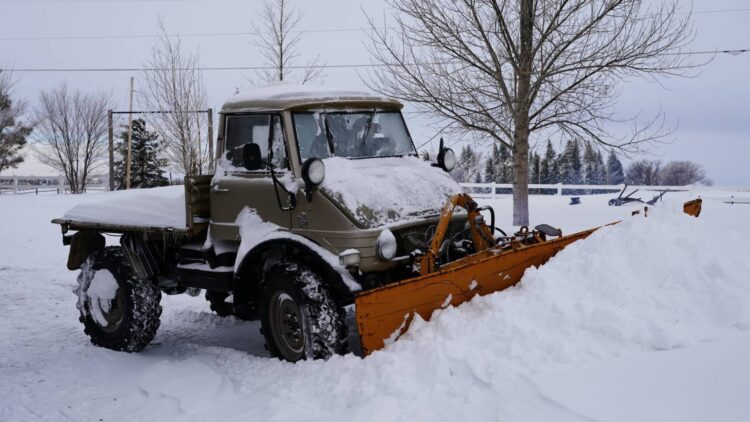
For folks in the Colorado mountains, snowy roads are just part of the routine from autumn all the way into early spring. Recently, the state updated its traffic rules to help keep people safer, if they are driving up to the peaks or just heading across the city. Until the warm weather returns, here is some advice to help you handle the icy, snowy roads.
How snow clearing machines work… and why we should watch out
To keep streets and highways open, crews in Colorado rely on an assortment of snow-clearing machines. Aside from regular plows, you need to watch out for these:
- De-icing trucks that spray a liquid solution to stop ice from forming on the surface.
- Sanders that scatter grit to help tires grip the road better.
- Rotary plows designed to slice through thick drifts and shove extra snow off the pavement.
If you spot these machines working, ease off the gas, leave plenty of room, and try not to rush. They travel slower than other cars, but they are absolutely necessary for safe driving.
The Rules on Tandem Plowing
Back in 2019, the state passed House Bill 19-1265 to stiffen the penalties for drivers who overtake snowplows working in a tandem or “echelon” lineup—basically, when a group of trucks staggers diagonally to clear several lanes at once. Overtaking a plow that has its lights flashing while working in this formation is now listed as a Class A traffic violation. If you try to get around these working trucks, you risk more than just a fine and points on your license; it is incredibly unsafe because you might hit blinding snow clouds or ridges of snow on the pavement.
Even if they aren’t in a group, you should always give snowplows plenty of room. You need to stay at least three or four car lengths back to stop sand and de-icing fluid from hitting your ride. Also, be ready for them to slam on the brakes. Finally, do not ever pass on the right side, because that is where the machine pushes all the snow, slush, and rocks.
Snowplows and Staying Safe: Why They Matter for Winter Travel
These trucks are vital for maintaining Colorado’s roads in the winter, running 24/7 to remove ice and snow from highways and neighborhood streets. These massive machines work in dangerous weather, so drivers need to be especially careful around them. If you run into a plow on the road:
- Stay back at least three or four car lengths to be safe.
- Keep in mind that these trucks kick up wind and clouds of snow, which can instantly block your view.
- You should never try to get around a plow on the right side because that is where they shove all the ice, snow, and trash.
- Look out for the flashing lights and signs on the equipment that warn you they are moving slowly.
Giving these trucks and their workspace a little respect makes the drive safer for everybody.
Overtaking snowplows that are working in a staggered line has been a Class A traffic violation for the last six years, carrying fines up to $100 plus extra fees. On top of that, you could get points on your license, which might even end up with your driving privileges being suspended. Giving these big trucks plenty of respect and staying careful around them is key.
Even with the tougher weather and road conditions, driving in winter doesn’t have to be terrifying. Instead, if you follow these safety steps and watch out for the removal crews, you can feel at ease behind the wheel and stay as safe as possible. Above all, just remember to ease off the gas and keep your eyes open.
FAQs
How much will a ticket actually cost me?
The base fine is up to $100, but the court usually adds extra surcharges on top of that. Apart from that, this ticket will add points on your license (not a good thing). That could make your car insurance bill go up, which might squeeze your monthly budget.
What does “tandem” mean?
It just means the plows are driving in a diagonal line—like a flying “V”—to clear the whole highway at once. If you see a group of trucks lined up like this, it is against the law to pass them.