
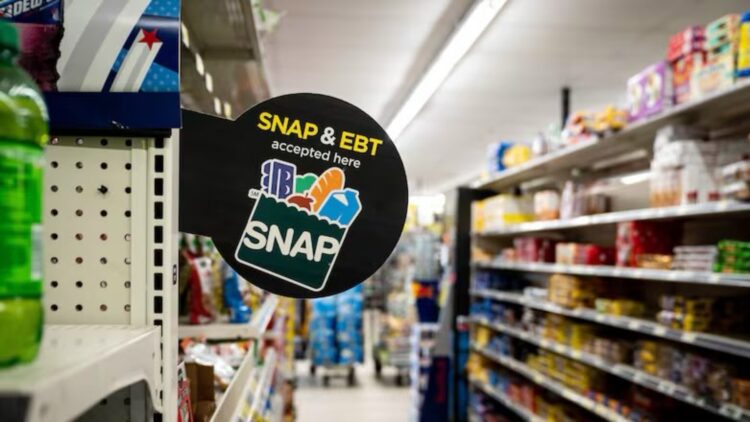
The Supplemental Nutrition Assistance Program (SNAP) is a food aid in the U.S. for low-income people. However, new rules are changing who can receive the benefits and what beneficiaries must do to keep them. According to the U.S. health policy organization KFF, these changes are expected to impact millions of people across multiple states.
The new rules were first applied in Illinois, Texas, and Ohio, and it’s expected to reach a total of 43 states. So, let’s learn more about what’s changing and how this situation will affect SNAP beneficiaries.
Work requirement and eligibility rules
One of the main changes in SNAP is the new work requirements. Now, some beneficiaries must work at least 20 hours per week or 80 hours per month to continue receiving this food aid. Work can include paid jobs, unpaid activities, volunteering, or participation in approved work programs.
These rules mainly affect able-bodied adults without dependents (ABAWDs). If they do not meet the new work requirements, they can only receive SNAP benefits for three months within a three-year period.
Before, the rule was applied to people between 18 and 54 years old, but it has now extended to those aged 18 to 64. However, this change is part of the One Big Beautiful Bill Act (OBBBA) introduced under President Donald Trump, which made several changes to the program.
Apart from this, recipients must also document and report their work hours to continue receiving benefits. For example, in Texas, more than three million SNAP recipients must log and submit their hours to the Texas Health and Human Services Commission, according to the local news outlet KSAT. Accepted work hours can include participation in programs such as:
- SNAP Employment and Training.
- Texas Workforce Commission work programs.
- Programs under the Workforce Innovation and Opportunity Act.
Exemptions and who must meet the rules now
The new rules have also changed exemptions. Some people who didn’t have to meet work requirements now have to. Among the affected groups we find:
- Veterans.
- Homeless people.
- Young adults aging out of foster care.
The rules for parents or household members with dependent children have also changed. Now, the exemption only applies to those with children under 14 years old.
Despite these changes, certain individuals remain exempt, like people who cannot work due to physical or mental conditions and those who are pregnant. These people are not required to meet the work requirements in order to receive SNAP benefits.
Other major eligibility changes
Apart from work requirements, SNAP has also changed who can receive benefits. Some people who were previously eligible can’t receive their benefits now, including certain immigrants classified as “aliens” under federal law, as well as refugees, asylees, trafficking survivors, and some non-citizens with temporary legal status.
However, the OBBBA added new exemptions for specific groups, including:
- Native Americans.
- Indigenous Peoples.
- Alaska Natives.
- Tribal Members.
Impact of partial government shutdown on SNAP
These SNAP changes happened a bit after the partial government shutdown at the end of January, but this one was different from the record-long shutdown that occurred in October 2025. The problem was that the Congress failed to pass funding legislation before the deadline, following concerns raised by Democrats about funding for the Department of Homeland Security after the shooting deaths of Renée Good and Alex Pretti in Minneapolis, Minnesota.
Despite the partial shutdown, SNAP funding remains secure through September 30, because Congress has already approved part of the 2026 federal budget. As a result, recipients are expected to receive their benefits on their normal payment schedule.
So…
If you or someone you know relies on SNAP, these new rules are important to understand because they could directly affect your access to food assistance. So, taking the time to learn how the new rules apply to your situation can make a big difference in protecting the support you depend on.