
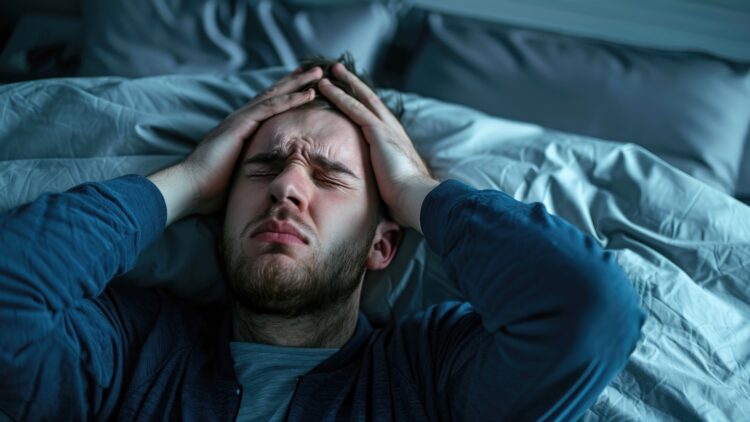
After a busy day, going to sleep can seem like a real nightmare. We’ve spent the whole day doing everything, bombarded by hundreds of tasks at work, at home, and our social obligations. It’s normal that when we get into bed, we can lie there for hours with our eyes open, staring at the ceiling, unable to fall asleep.
What is the reason for this? In many cases, our inability to sleep through the night is due to our pre-sleep habits. Although many things are known—such as not drinking coffee after a certain time—today’s experts point to the use of devices that emit blue light as one of the biggest culprits.
Atomic Habits to stay (involuntarily) awake
There are many types of hygiene, apart from taking a shower every day. However, here we are talking about optimal sleep hygiene, which is a routine of patterns that help us rest in peace and tranquility. Humans are creatures of habit, and if we don’t pay attention to what we do, we may end up causing the reason why we can’t rest at night.
Researchers have confirmed in recent years what they have long suspected: blue light from devices can deactivate melatonin (the sleep hormone) and artificially prolong the time it takes to fall asleep. This means that we experience fewer deep sleep phases when we are asleep.
Do you remember the last time you went to bed without your smartphone in your hand? Have you calculated how much time you spend on Instagram, Facebook, and X before turning it off and finally going to sleep? All this light and stimulation before trying to drift off to sleep sabotages our night’s rest.
Another thing that disrupts our rest, although it may seem counterproductive, is alcohol consumption. Having a nightcap may make you feel sleepy at first, but it interrupts your sleep pattern and causes you to wake up throughout the night. In fact, it prevents you from falling into as deep a sleep as you would if you had gone to bed completely sober.
Another major culprit is heavy dinners—very typical during the Christmas season. Digesting food while we try to rest can cause various discomforts (or even severe indigestion). If our body is busy digesting food that we haven’t fully assimilated, we won’t be able to rest as deeply as we would if we had eaten our last meal several hours before going to bed.
The last culprit is the healthiest of all: intense exercise. If you go to the gym after working late, you should know that intense exercise increases adrenaline and heart rate, which can make it very difficult to fall asleep if we go to bed early. Even if we take a hot shower, we will probably have trouble sleeping if we end up exercising. One way to try to avoid this is to start going to the gym—or doing another type of exercise—in the early hours of the morning, to ensure that we reset our circadian cycle properly and stay alert throughout the day.
How to improve our beauty sleep
Although we’ve already told you everything you should avoid, experts agree on the importance of sleep for our daily performance. A restless night results in a nightmare of a day. Although everyone has already read the cliché book Atomic Habits by James Clear, it’s one of the best books for learning how to incorporate routines that improve our daily lives—and our nighttime sleep. As part of that, we recommend the following:
- Make sure your bedroom is dark, quiet, and cool. Use blinds, earplugs, or a white noise machine if necessary.
- Avoid backlit screens for at least an hour before bedtime. Pick up a physical book (or that old Kindle you forgot about in a drawer) and read as if it were 1982 and smartphones didn’t exist.
- Avoid heavy dinners and nights of heavy drinking. Make sure you’ve digested your food properly before going to bed (good luck with those Christmas feasts!).