
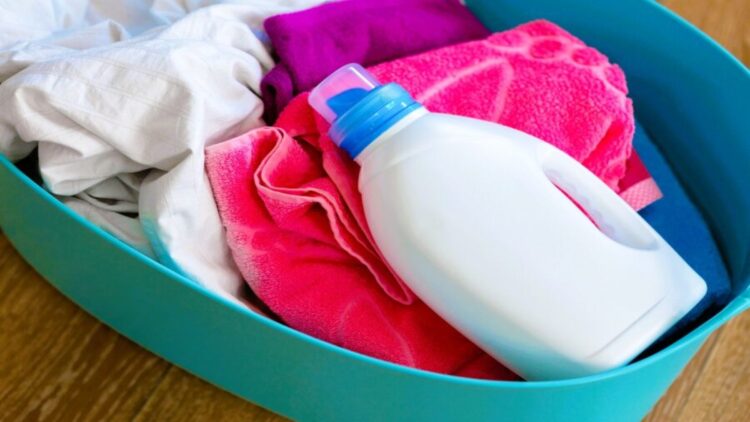
The environment is a major topic of discussion in governments worldwide. Therefore, there is increasing scrutiny of everyday objects and products that can seriously affect our health and the planet. Fabric softeners, for example, release substances that affect indoor air quality, health, and the environment without us even noticing. It’s well known that fabric softeners and fragrances aren’t essential for spotless laundry and have a significant environmental impact.
How this influence your well-being
The fact is that aromatherapy and scents have become increasingly popular these days. So now, the essential element is the aroma of your clothes, and the longer it lasts, the better. In this regard, Dr. Partha Nandi, a gastroenterologist and president and medical director at Pinnacle GI Partners, discusses the effects of fabric softeners, how they influence your well-being, and what natural alternatives you can adopt for a healthier home. The craze for scented clothes has led to the emergence of a type of product in stores and supermarkets known as “perfume sprays,” which only add fragrance and do not soften fabrics.
Volatile organic compounds (VOCs) are present in everyday household products
As we can see, there are several options. The fact is, as is well known, fabric softeners are widely used in homes, but they are also a superfluous and often polluting and allergenic product. In fact, volatile organic compounds (VOCs) are present in everyday household products, including fabric softeners. Despite some minor advantages such as increased softness and easier ironing (in the case of fabric softeners), these products have significant drawbacks. The problem is that VOCs are released when washing and drying clothes and remain in fabrics after several uses. These gases react easily with other elements in the environment and can generate irritants that affect the air quality inside your home.
The most common VOCs are substances known for their ability to cause respiratory discomfort
Many preservatives and fragrances are allergenic and can cause skin irritation, especially since fabric softener is added in the final rinse. This is particularly problematic in poorly ventilated homes, where these compounds accumulate unnoticed. Among the most common VOCs are substances known for their ability to cause respiratory discomfort and contribute to the deterioration of air quality, both indoors and outdoors. Hence the importance of people being aware of the types of products they use at home.
There are other drawbacks to fabric softeners, such as the fact that they contain fragrances, preservatives, dyes, and poorly biodegradable substances that persist in aquatic environments or are toxic to the environment. Furthermore, according to experts, they reduce the absorbency of towels, for example, and fabrics get dirty again more easily. When these gases escape through the dryer’s exhaust vents, they disperse into the air and contribute to atmospheric pollution, silently affecting urban areas. And economically, a person can spend up to €109 per year if they regularly use fabric softeners for five washes per week.
These are subtle symptoms that are often overlooked without identifying their cause
Therefore, whether for human health or the environment, it’s clear that fabric softeners are a product that can easily be avoided, as long as it doesn’t compromise the health of the planet and ourselves. For many people, these products cause eye irritation, nasal congestion, or a feeling of heaviness in the air after wearing freshly laundered clothes. These are subtle symptoms that are often overlooked without identifying their cause. It’s advisable to opt for mixing vinegar with small amounts of essential oils on cotton fabrics for a soft, natural scent. For example, with the use of fabric softeners, clothes absorb these chemicals and release them gradually, causing itching, redness, or discomfort where the fabric comes into direct contact with the skin. So, taking all these factors into account, you can make the transition to more eco-friendly washing.