
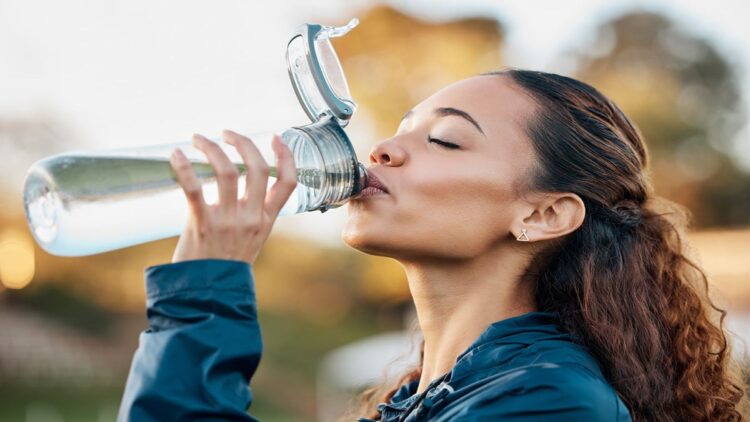
In recent years, digestive problems have become more prevalent. You’ve probably heard of someone close to you who has had Helicobacter pylori, or who is gluten intolerant or has digestive issues. Well, according to experts, some intestinal problems are related to how we hydrate our bodies. For example, drinking water while eating is a very common habit, but experts warn that it could be harming our digestive system without us even realizing it. The same is true for drinking extremely cold water. This makes it harder for our bodies to digest such a liquid, and therefore, it doesn’t aid in proper digestion.
Drinking very cold water or drinking it without minerals or in large quantities, which hinders its processing
Going into detail, one of the experts’ recommendations is to avoid drinking water during meals. They explain that this habit can dilute gastric juices, hindering the efficient breakdown of food. Water is the essential vehicle for nutrition; without it, superfoods wouldn’t have the necessary support to transport nutrients to the cells. Therefore, the body tries, above all else, to utilize the water that enters our bodies. Among other common mistakes in this regard are drinking very cold water, as mentioned above, or drinking it without minerals or in large quantities, which hinders its processing, especially under stress.
Drinking water while we eat has many internal effects, even if we’re not aware of them. “The stomach needs an acidic environment to function properly. If we drink a lot of water, this environment becomes more neutral,” warns Marta León, a microbiota expert. Introducing liquids while chewing alters the stomach’s pH, preventing the proper breakdown of proteins. The direct consequence, says León, is slower, heavier digestion, which could contribute to symptoms like gas or bloating. Marcos Apud also supports this point: “Never disrupt the stomach acidity necessary for digestion. Leave a 30-minute window before and after eating.”
Drinking cold water might seem perfectly normal, especially during the warmer months. People often prefer very cold drinks because they feel it quenches their thirst more quickly. However, this isn’t entirely true. Drinking water at extreme temperatures is a direct assault on the digestive system. Therefore, very cold water can slow down the digestive process in some people. “Drinking cold or ice-cold water will decrease the peristaltic movements of your stomach; it paralyzes it and creates a major problem with digestion,” explains Dr. Apud.
It all depends on the individual and their digestion
On this point, it’s also worth emphasizing that various medical institutions agree that drinking water during meals poses no problem for most healthy people. In other words, while some experts believe it’s best not to drink water during meals, others conclude that doing so doesn’t actually affect intestinal health. Therefore, it all depends on the individual and their digestion. The final decision will be made by each person when they sit down to eat, and depending on how they feel, they can choose one option or the other.
On the other hand, it’s also important to keep in mind that overhydration can dilute sodium in the blood (hyponatremia), while dehydration affects the brain. In other words, balance is key when it comes to hydration and many other things. Not too much, not too little, just what the body needs. Therefore, the key isn’t to stop drinking water, but to be mindful of the amount and the timing. Experts recommend staying hydrated, using room temperature or lukewarm water; adding a pinch of sea salt or Himalayan salt (pure minerals); and adding a few drops of lemon juice to provide electrolytes and vitamin C. But above all, keep your body hydrated and avoid sugary and/or alcoholic drinks.