
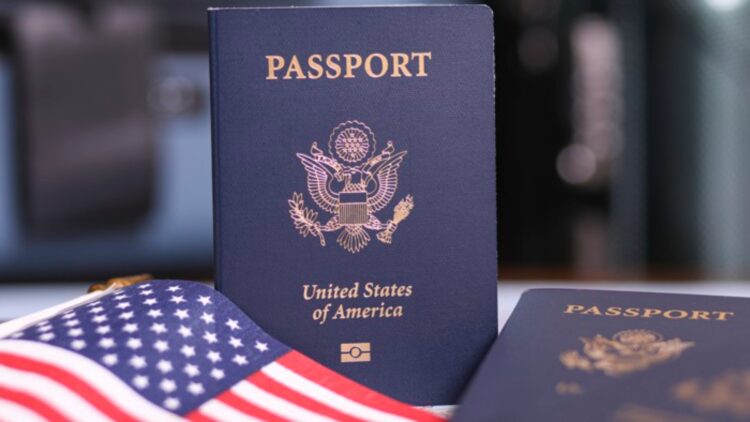
The passport is an essential document for people travelling for tourism, work, health, or family issues. Without this document, it is not possible to leave the country or enter another country legally. However, not everybody can renew the passport the same way. The U.S. Department of State has clarified that there are two official ways to get a passport: the initial application and the renewal. But not every citizen qualifies to renew it and they must do the paperwork again. So, let’s explain more about this situation.
Two ways of getting a passport
These are the two official ways to obtain this document:
- Initial application: This is required when someone is getting this document for the first time or does not qualify for renewal.
- Renewal: This option is available only if the previous passport meets certain conditions.
It is important to know that not every passport can be renewed because there are clear rules that determine when someone must submit a new application instead.
What’s more, processing times are also important. During 2025, routine service took between four and six weeks. There is also the expedited service, which requires an additional fee, reducing the waiting time to between two and four weeks, depending on demand.
Age matters
Not many people know that people younger than 16 years old can’t renew this document under any circumstance. This means that, although they had had a passport before, they must apply for a new one when it is expired or about to. They can’t do the renewal process.
Passports issued to children under 16 are valid for five years. After that period, the entire process must start from the beginning and must always be completed in person. To avoid delays, several key requirements must be met:
- A recent photograph that meets official specifications.
- Completed Form DS-11.
- You must pay the application fee.
- Both parents must agree and give permission, unless there is a valid legal reason why one parent cannot.
- Documentation proving parental relationship or legal guardianship.
- Valid identification of the parents or guardians.
- You need to show official proof that the child is a U.S. citizen (a certified birth certificate, a Certificate of Citizenship, a Consular Report of Birth Abroad, or a Certificate of Naturalization).
Parents must ensure that the documents clearly show their relationship to the child.
Teenagers who are 16 and 17 years old
The situation is different for those 16 and 17-year-old teenagers. In these cases, the passport can be issued with a validity of ten years, the same as adult passports. Even though the process must still be completed in person, some requirements are partially more flexible.
Seventeen-year-olds who already have this document issued after turning 16 must submit Form DS-11 and, in certain cases, Form DS-82, as long as they meet the established conditions.
No renewal for these other cases
Age is not the only thing that limits people’s renewal of this document. There are also other frequent situations that make people start the process from zero. Let’s have a look at them:
- Passports issued more than 15 years ago.
- Severely damaged passports.
- Lost or stolen passports.
- Passports that do not reflect the holder’s current legal name without proper documentation.
To sum up
The U.S. Department of State clearly defines who qualifies for renewal and who must submit a new application. Now you know that being aware of these conditions allows you to plan ahead, especially since routine processing may take four to six weeks.
We hope this information was helpful, so that you do not have any issue with your passport and you can travel with no worries.