
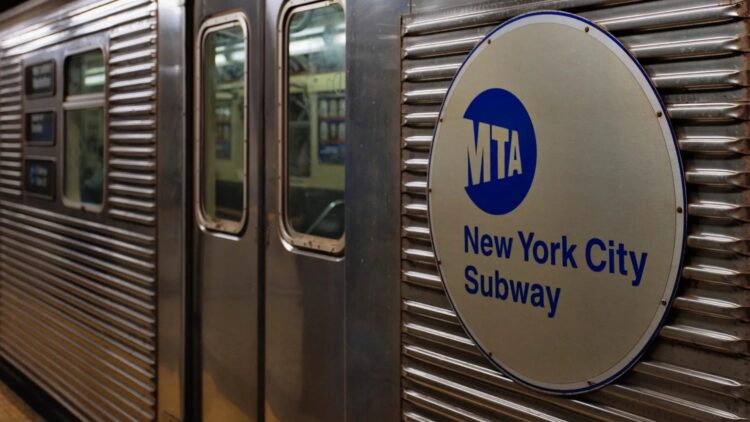
If you live in the Big Apple, you’ll have to prepare yourself for rising public transportation prices in the city. Starting January 4, 2026, there will be two things to keep in mind: the hangover that everyone is still suffering from since New Year’s Eve, and the subway and bus fares in New York City. The Metropolitan Transportation Authority (MTA) has approved the fare increase. From now on, the base price for most trips will increase slightly.
In addition, there will be a transition to a fully contactless payment system. We can say goodbye to the days when we went to the ticket window and bought our ticket from a human being.
Since 2023, the standard fare for a trip on the New York subway or a local bus has been $2.90. Starting in January, this fare will be rounded up to $3 for most passengers.
Changes in Public Transport Fares, according to the MTA
Apart from the increase in the base fare, reduced-fare trips (those for seniors, people with disabilities, and passengers with reduced mobility) are also expected to increase slightly from $1.45 to $1.50. On the other hand, express bus fares for longer trips between districts will increase by $0.25 ($7.25 in total).
For tourists or passengers who do not have a MetroCard or OMNY account, the single ticket will increase from $3.25 to $3.50.
Goodbye to the MetroCard
The traditional MetroCard will be phased out after December 31, 2025. From then on, all passengers will be required to use OMNY contactless payment options in 2026. In past decades, multi-trip MetroCards offered unlimited weekly or monthly options.
With the permanent adoption of a seven-day fare cap, a passenger pays for 12 trips in a consecutive seven-day period, and any additional trips on the subway or local bus within that week are free. This structure is intended to replace the old monthly and weekly unlimited MetroCards.
Original prices back when public transportation was brand new
If you love history, here is a list of the original prices for each form of public transportation in the Big Apple when they were first introduced. The subway, which opened on October 27, 1904, cost only 5 cents. This fare was known as the “nickel fare.” Not only was it a cheap transport ticket, but New York City managed to keep this price artificially frozen for 44 years. When they finally raised the fare to $0.10 in 1948, it caused a huge scandal among New Yorkers.
The bus is a bit of a cheat, as it had two debuts: horse-drawn omnibuses, which were introduced in the city in the 1830s, cost $0.12.
This was a lot of money at the time, so it was almost a luxury service that only the crème de la crème of New York could afford. In 1905, the Fifth Avenue Coach Company introduced gasoline-powered buses almost at the same time as the subway. This bus cost twice as much as the tram and the subway. At $0.10, it was considered a premium service, as it guaranteed a seat—passengers were not allowed to stand—and avoided the crowds on the subway. Over the decades, this bus was unified under the MTA system, and the price ended up being the same as the subway to allow for free transfers.
If you’re wondering whether it’s more or less expensive when you factor in inflation, those 5/100 from 1904 would be equivalent to approximately $1.75 today. This means that the current $2.90 ticket (which will be $3 starting in January) is almost twice as expensive as it was when the transportation system was first inaugurated, if we take into account the real purchasing power of the average American.
With prices rising, it seems that we will have to make a New Year’s resolution to walk more often. Not only will it be better for our health, but also for our wallets.