
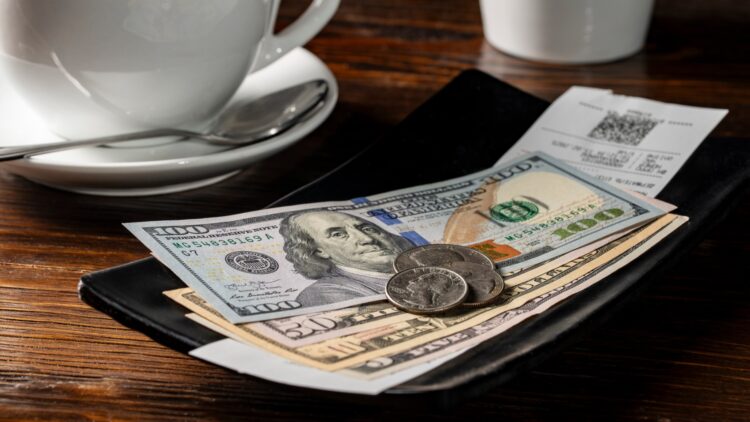
It has happened to most of us: you go into a store to buy something, wipe out your wallet, and when you are about show your CC to pay, you are informed that “this is a cash only business”. However, the tables are turning, and more and more stores are simply moving to payless methods: even with the percentage that goes straight to MasterCard and Visa, it’s effortless, and you don’t need to worry about taking the day’s earnings to an ATM at night.
However, the measure is somewhat questionable, so much so that the state of New York has weighed in on the matter and decided that it will be mandatory to accept cash in all establishments. Senate Bill S4153A has already been officially signed, so in March 2026, thousands of retail and food stores will have to accept bills and coins as a method of payment throughout the state.
What is more important, the economic freedom to run your business as you see fit, or social justice?
What does the Cash Law in NY require?
The new legislation in the state of New York aims to guarantee access to consumer goods and ensure price equality. It makes it mandatory to accept cash, as it remains legal tender in the country. All retail establishments and food stores must accept cash for all in-person transactions. This ensures that consumers are not excluded from purchasing essential goods such as groceries and food simply because of restrictions on payment methods.
In addition, the law explicitly prohibits retailers from charging customers who pay with cash more than those who use cards, apps, or any other digital method. This is to prevent rounding practices, which systematically penalize customers who pay in cash by rounding up totals ending in cents.
However, businesses are not required to accept high-denomination bills, specifically bills over $20. As mentioned above, they are only required to accept cash for actual in-person payments.
Transactions made entirely by phone, mail, or online are exempt from this rule. Businesses that offer a defective conversion device to a prepaid card will be exempt as long as they do not charge fees or a very high minimum deposit.
Should cash be protected at all costs?
The impetus behind all these laws is a deep concern for financial inclusion. Although we take it for granted that everyone has a credit card or a cell phone with which to pay, there is still a percentage of the population that depends on cash to manage their daily lives.
This law is therefore nothing more than an equity measure that seeks to prevent economic discrimination against low-income individuals, minorities, seniors who are not accustomed to technology, and immigrants, who often make up these groups. Denying them access to essential goods and services when cash is still legal tender makes this whole issue murky.
Moreover, cash offers a level of financial privacy that digital payments do not, something to keep in mind for those who distrust corporate and government surveillance.
FAQs
Is the law a “Cashless Ban”?
Yes, it has been dubbed as such because it expressly prohibits an establishment from being exclusively digital. This law ensures that paying with legal tender remains an option when making a purchase in these establishments.
What is considered “legal tender”?
Coins and bills minted by the US Government are legal tender. Historically, this meant they were to be accepted for debt payments, but the NY law extends this to transactions in small establishments.
Does this law have any other precedents elsewhere?
Massachusetts (a pioneer in 1978), Philadelphia, and San Francisco have similar laws requiring the acceptance of cash, although with variations in exceptions and penalties.