
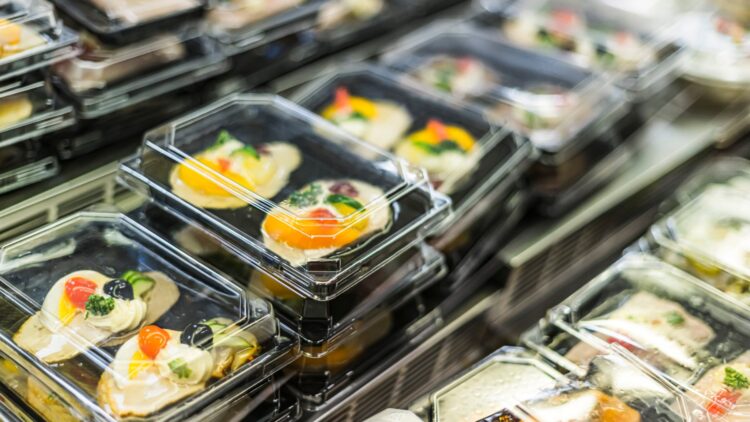
If we already had to worry about counting calories or watching our macronutrient intake when eating, in recent decades we have found a new concern: chemical contaminants. For years, plastic pollution seemed to be a problem limited to the oceans, beaches, and marine wildlife. However, we now know that this pollution is also present on our dinner tables. A recent study by the independent source PlasticList has highlighted one of the most silent threats: phthalates.
These are a type of chemical derived from plastic that is found in mass consumer products; they are present in everything from the milkshake you get at that fast-food chain to the organic rice you buy at your neighborhood organic grocery store. The presence of phthalates in all food is not an accident, but a direct consequence of the industrial production chain and our use of modern packaging. We have traded the safety of our food for extreme convenience, for which we will pay dearly.
Phthalates: What they are and why they are present in food
Phthalates are a group of industrial chemicals that act as plasticizers. They are added to PVC to make it softer, more flexible, and more durable. This industrial chemical allows us to create a wide range of products, from garden hoses to advanced medical equipment. However, the danger arises from the molecules, which are not chemically bonded to the plastic they are in. This means that they can easily leach out of the plastic into other items. This contamination is dramatically accelerated under certain conditions: heat, prolonged contact, and the presence of fatty or acidic foods.
But how do these chemicals end up in food? One of the main routes is through processing machinery. When plastic pipes, conveyor belts, and gloves are made with these phthalates, they are released during the manufacture of the processed product. They also contaminate through the packaging itself, since flexible plastic wrappers, lids, and containers also contain them.
The last crucial factor is heating. There are already multiple studies revealing that heating food in plastic causes a drastic increase in the release of these industrial chemicals. A symbolic example was Kraft Mac & Cheese, which registered up to 700 nanograms of DEHP per serving after being heated in the microwave. If you’ve ever seen a friend cook white rice in a plastic bag in a pot of water and felt both horrified and disgusted, you weren’t wrong… your friend was unknowingly poisoning their food with microplastics.
Unexpected products full of microplastics
The PlasticList study showed the amount of contamination in the modern American diet. The study analyzed nearly 300 products. Fast food and ultra-processed products were the most contaminated due to food handling and packaging. The study cites McDonald’s Vanilla Shake, which registered up to 4,500 nanograms of DEHP per serving, as well as Wendy’s hamburgers and Burger King nuggets.
While we expected junk food to also contain microplastics, the worst part is that products labeled as “healthy” or “made from scratch” also showed high risks; products such as Hall Foods organic rice or Sweet Green salads did not guarantee lower plastic chemical content in their food. In fact, staple foods also had high levels of microplastics: Whole Foods Organic Long Grain White Rice contained 2,240 nanograms of phthalates per serving.
What is most frustrating is that this contamination occurs long before the product reaches our homes, probably during processing, milling, or industrial storage.
How to prevent microplastic leaching at home
Although microplastics are present in much of our food, we can take steps to minimize our exposure at home. The golden rule is to never heat food in plastic. Even if it’s more inconvenient, transfer the food to a glass or ceramic container or make it in one before using the microwave.
As far as possible, it is best to prioritize buying whole, fresh foods and cooking them at home. Processed and fast foods contain the highest amounts of microplastics and industrial chemicals.
When cooking, only use natural materials: wood cutting boards(yes, even if you need to oil them every few weeks!), glass/metal containers instead of plastic to store leftovers, and metal utensils that get in contact with boiling water or simmering sauces. So know you know; if you needed some inspiration for your Christmas’ gift list, you can ask Santa to help you upgrade your kitchen haul this year!