
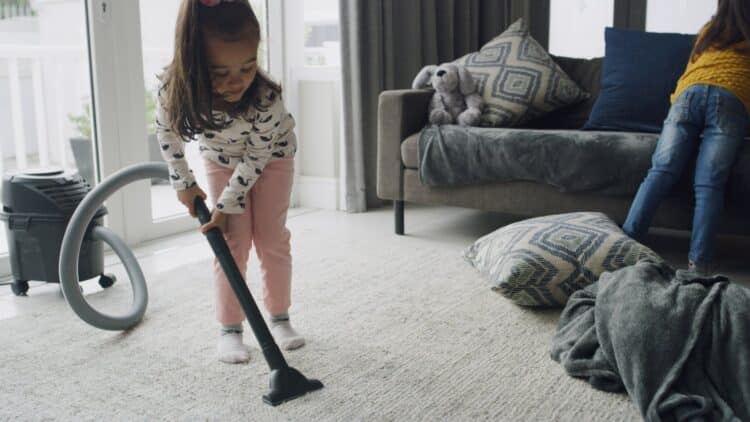
If you weren’t already stressed enough by morning traffic jams and the pressure of that meeting you have at work later, we bring you a study conducted by experts on the air quality in our homes. We tend to think of our homes as an impregnable refuge from the outside world. We believe they are free from the pollution and contamination of the street, but this perception is being challenged by a study that focuses on a microscopic threat invisible to the human eye. We are talking about microplastic pollution (MPs).
For years, we have thought of MPs as a distant problem that only affected oceans or remote beaches. However, a pioneering study published in the scientific journal PLOS ONE brings bad news. The research, led by Nadiia Yakovenko of the University of Toulouse, revealed shocking figures about our indoor air. They have discovered a key piece of data that is quite devastating: an adult can inhale up to 68,000 microplastic particles per day in enclosed spaces. This figure is 100 times higher than previous estimates, which is somewhat unsettling for researchers.
How does this massive exposure occur? Can it be drastically reduced? Fortunately, yes, we can regain control of our environment.
What exactly are microplastics?
They are tiny fragments of plastic, usually less than 5 mm in size. Most come from larger objects that have broken down, although others are manufactured directly in this size. The study led by Nadiia Yakovenko focused on the microplastics that are most harmful to respiratory health: particles measuring between one and 10 micrometers (µm).
To put this into context, this size is up to seven times finer than a human hair, making it quite visible to most of the human population. This small size is what makes it a silent threat, as we are not even aware that it is present in our environment. Their size enables them to penetrate the lower respiratory tract and reach the pulmonary alveoli.
Not only that, but they also pose a chemical risk because they carry toxic additives on their surface that are added during their manufacture to make them more resistant. We are talking about substances such as phthalates, Bisphenol A (BPA), and PFAS. These have been proven to be endocrine disruptors that cause chronic inflammation, oxidative stress, and potential immune disorders.
The Main Sources of Microplastics Indoors
Believe it or not, we are surrounded by various polymers. The main ones are synthetic textiles: clothing, carpets, blankets, and upholstery made of polyester, nylon, or acrylic constantly shed microfibers. Just walking, sitting, or moving a blanket raises an invisible cloud of these particles.
Kitchen and packaging products are also to blame: plastic cutting boards and containers release microfragments with daily use. Heat dramatically accelerates this release, especially when we heat food in plastic Tupperware. Until relatively recently, it was normal to see Tupperware with added BPAs, which made them much more resistant. As much as we love vintage Tupperware, it is quite dangerous to use this type of plastic container to store food.
Microplastics that enter from outside through the window, such as tire wear, end up being deposited and mixed with domestic pollution.
How to reduce exposure to microplastics at home
Don’t panic; there are totally effective ways to minimize the amount of microplastics floating around in the air in your home. Significantly reduce your exposure by focusing on three goals: eliminate the source, capture the particles, and ventilate well.
- What we wear and use: prioritize low-impact natural fibers. Choose organic cotton, linen, wool, or hemp for your everyday clothing and bedding. These materials shed much less than polyester or acrylic. Most microfibers are shed in the washing machine, so you can wash synthetic clothing less often and at lower temperatures.
- Kitchenware: from now on, Tupperware will only be used for storage. If you need to heat food or liquids in the microwave, transfer them to a ceramic or glass container. It doesn’t matter if the plastic container says it’s microwave-safe (remember that BPAs were legal just a few years ago). Heat accelerates the release of microplastics and toxic additives into food. Switch to wooden cutting boards. Yes, you have to wash them by hand and coat them with food-grade oil from time to time… but you’ll be sure not to mix microplastics with your food.
- HEPA filters: Use a vacuum cleaner with a HEPA (High Efficiency Particulate Air) filter. These filters are designed to trap 99.97% of particles as small as 0.3μm, including MPs. Consider a HEPA air purifier in the rooms where you spend most of your time (bedroom, office).
Although eliminating plastic from the face of the earth is a utopian dream, we can reduce exposure in our homes. By minimizing the amount of plastic we have at home, we create a protective barrier for our lungs and those of our loved ones. The next time you go shopping, remember that the material your Tupperware or carpet is made of is a decision that affects your health.