
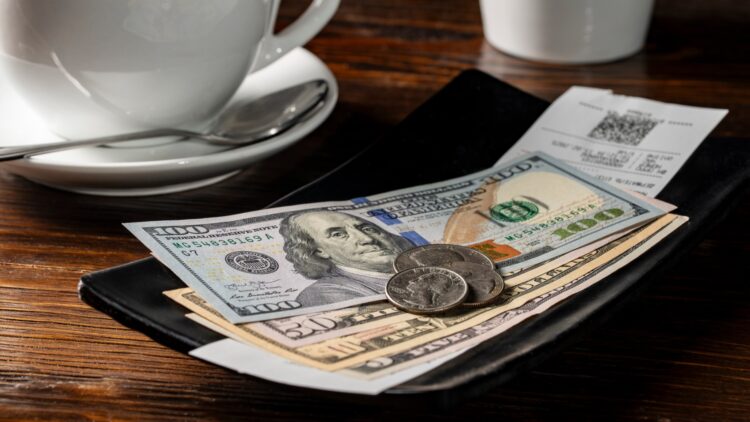
The state of Massachusetts is considering two bills that could change the wage structure of the entire restaurant industry. We are talking about House Bill 2081 and House Bill 2107, which are currently being considered by the House of Representatives. This legislation seeks to improve the wage conditions of service workers, especially during the high season.
The initiative has sparked intense controversy, as small businesses and the custom of tipping by customers are being completely overwhelmed.
The minimum service charge
Although there are two proposals, House Bill 2081 is the one that has attracted the most media attention. This bill seeks to establish a fixed charge of at least 19% on the bill for groups of four or more diners. From now on, the minimum tip will not depend on the customer, but a minimum will be required. This will obviously not apply universally, but the application of this fee is conditional on the “high season” for restaurants, which will be chosen on the calendar by each municipality.
So rest assured, the entire state of Maryland is not going to start imposing a 19% tip on all restaurants. To qualify for this law, the city council or town board must vote and define the exact limits of its own peak season. There are many factors that influence this: a coastal location will have its peak season in the summer, while inland locations such as Salem tend to have their peak season in October, for example.
In general, each municipality will adapt to its tourism realities and the actual fluctuation in population from outside. Only after this local approval will individual restaurants have the option of applying this fee during the defined period.
Representative Manny Cruz, a Salem native, justifies the measure as a way to protect waiters. After all, these workers tend to lose the most income when tourists take advantage of the fact that they are dining in large numbers and do not leave a good tip. This measure would help ensure compensation during periods of high demand and work stress.
The Increase in the Base Salary in Massachusetts
The second bill (House Bill 2107) could also generate a wave of changes in the hospitality sector. It proposes raising the state’s general minimum wage to $20 per hour. It also seeks to double the base salary for tipped employees from $6.75 to $12 per hour. However, this wage increase has also created quite a bit of controversy among owners and some high-income employees.
The reality is that our tipping culture in the US could change radically if tips are included in the salary of waiters and bartenders. While it is a stressful job, tips can be a great source of income during a good season, and if the employee works hard, if customers stop giving their voluntary tips or reduce them drastically because they are already included in the price, this can end up reducing the overall income of employees.
This month, if the base salary for waiters is set at $12 per hour, diners will assume that this is already a “living wage” and will not feel morally obligated to compensate workers for good service, meaning they will end up receiving fewer tips. In summary, fixed wage stability is achieved at the expense of a reduction in the total hourly income of the most efficient workers. If your waiter has no incentive to tip, can we be sure that they will pay attention to us or provide good service? At the end of the day, there is no better incentive than financial incentive.
The minimum tip debate
At the time, the general minimum wage in the state of Massachusetts was $15 per hour, while the base wage for tipped workers was $6.75 per hour. If an employee did not earn $15 per hour in tips, the employer had to cover the difference.
Raising the minimum wage directly impacts small independent restaurant owners. The regulations affect small businesses with already tight profit margins. By raising the base wage from $6.75 to $12, the fixed hourly labor cost for restaurants increases by almost 100%. The law has not yet been passed, but we will be waiting to see if it is signed and implemented. By the 2026 tourist season, restaurants in Massachusetts may have a very different bill.