
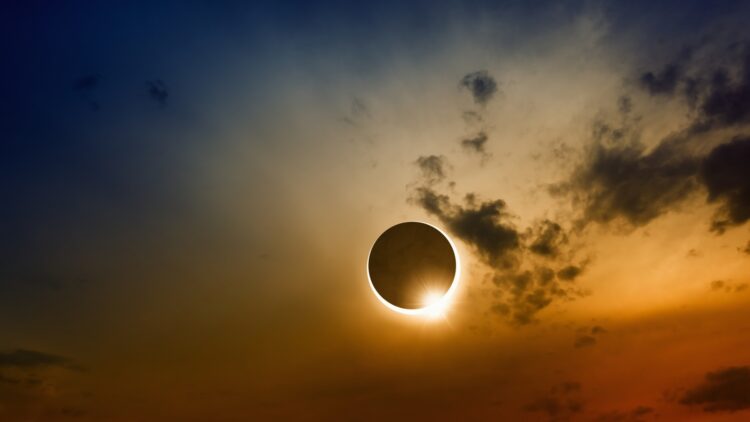
Europe hasn’t hosted a total solar eclipse for ages, but that changes on August 12, 2026, when totality touches down on the continent’s northwestern and southwestern edges.
You can catch this event in Greenland, the western side of Iceland, or northern Spain, where the moon will block the sun for up to 2 minutes and 18 seconds just one day before the Perseid meteor shower hits its stride.
That said, seeing this eclipse is really going to come down to meteorology and unobstructed views, mainly because it passes over areas known for clouds and hangs fairly low in the sky. When the eclipse is at its best, the sun will be hovering only 26 degrees above the horizon.
A Midnight Sun and Meteor Showers
Up in Iceland, which sits right in the auroral zone, the sun stays up until midnight, yet the sky still dims enough overnight to reveal any faint Northern Lights. Meanwhile, the Spanish countryside offers much deeper darkness, creating the ideal spot to watch the Perseids—the Northern Hemisphere’s best meteor display—when they peak the very next night.
It will take about 96 minutes for the moon’s shadow, which spans 182 miles (293 kilometers), to travel across the globe. Starting in Russia, the path traverses Greenland, clips the west side of Iceland, moves over the Atlantic, and sweeps across northern Spain before fading out just past the Balearic Islands.
Ships will be heading to Scoresby Sund in Greenland or aiming for the waters west of Iceland to find the maximum darkness while sailing around the island. Reykjavik is going to be packed for the event, but staying flexible is a smart move since nearby spots like the Reykjanes and Snæfellsnes Peninsulas also offer great viewing chances.
Spain’s Sunset Totality
Watching from Spain comes with its own set of risks. Since totality hits the northwest coast right around sundown, you absolutely need a spot where the western horizon is wide open.
Oscar Martín Mesonero, an astronomer and eclipse chaser based in Salamanca, explained to Space.com that because rugged peaks in certain Spanish regions could block the sun during the main event, picking the right spot is crucial. He added that over on the eastern coast, the sun will hang just 4 degrees up, meaning a stray building or hill could block everything—plus, the roads are going to be gridlocked.
The Balearic Option
If you are in Mallorca, the action happens practically at the water’s edge, making it tough to get a clear line of sight.
Mesonero pointed out that because Mallorca draws so many tourists, costs are going to be steep. He explained that with the island’s limited roads and rugged terrain, you have to be extremely precise about where you set up—even a minor obstruction could block the show—but if you get it right, you’ll witness an amazing scene of the sun’s golden halo hanging over the ocean.
You might find it cheaper and simpler to visit Ibiza, Formentera, or Menorca, though the trade-off is that the total darkness won’t last nearly as long there.
Weather vs. Altitude… What Will You Choose?
Viewing this event involves a bit of a tradeoff. Graham Jones, an astrophysicist at Time and Date, explained to Space.com that Iceland has the upper hand in one regard since the sun will be higher up. He noted that the sun drops really low by the time the eclipse gets to Spain, which can cause issues. On the flip side, Iceland carries a much bigger risk of overcast skies. Jones described it as a choice between better elevation but cloudy skies versus lower elevation with clearer weather.
Cloud cover is most probable along the coasts of Greenland, Iceland, and northern Spain. According to Eclipsophile, places like Scoresby Sund in Greenland offer some hope, and as the ground cools down during the partial phases, those heat-driven clouds might actually fade away along the track.
If you want the best shot at clear skies, go to north-central Spain; Castilla-La Mancha and Castilla y León have the lowest risk of clouds, though they will also have the biggest crowds. Mesonero cautioned that the daytime heat could stir up clouds right when the eclipse happens in the afternoon.