
Federal cuts could leave 10 million people in the United States without health insurance within a decade. Rising premiums, out-of-pocket expenses, and the risk of medical debt are more prevalent than ever in American society.
Federal spending is estimated at trillions of dollars. However, spending cuts have repercussions on society. A profound change in national health policy could leave millions of US citizens without health coverage in the coming years. According to official projections, the new legislation would increase the percentage of the population without health insurance and raise the prices of both premiums and direct medical expenses.
Health coverage in danger
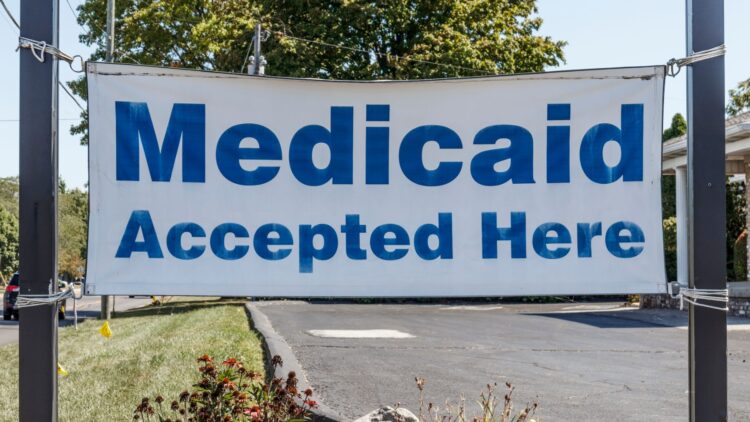
The Congressional Budget Office estimates that the number of people with health insurance in the United States will grow by 10 million by 2034. This could be due to the replenishment of approximately $1 trillion in federal spending. This money was earmarked for health insurance markets and Medicaid, which is administered by each state.
One of the most immediate effects would be—hypothetically—an increase in health insurance premiums. Since 2014, the premium tax credit has helped reduce the cost of plans purchased on insurance markets. This support has been expanded over the years, allowing people to receive higher subsidies, but only until the end of this year.
With federal spending cuts, fewer people will enroll in subsidized plans. Federal spending will decrease, but more Americans will be left without coverage. It is a no-win dilemma: choose to cut federal spending to keep the nation’s accounts in order, or blindly subsidize health coverage that continues to rise in price.
According to “experts,” not renewing these tax credits after 2026 could cause insurers to increase reference premiums by an average of 4.3 percent. They also say that if the subsidy disappears permanently, premiums could increase by an average of 7.9 percent each year between 2026 and 2034.
This should be taken with a grain of salt, since, having been subsidized with federal money, risk premiums had increased in price anyway. It remains to be seen whether, in a free market without subsidies, health insurance premiums will have to drop in price to attract the attention of consumers who have to pay for completely private insurance.
The consequences of little health coverage
However, the impact of all this is not limited to premiums. According to the Kaiser Family Foundation (KFF), 4 million Americans are currently enrolled in an insurance market plan. About 92% of them receive an advance tax credit to reduce their monthly payment. These experts predict that many low- and moderate-income individuals will be unable to cope with major medical expenses or will decide to forego insurance because they cannot afford it.
According to the Milliman Medical Index, the average worker spends more than $1,100 per year on direct medical expenses (in addition to what they pay for their health insurance). Without coverage, these costs could quickly escalate.
A primary care visit can cost between $150 and $300. An X-ray can easily exceed $1,000, and major procedures will cost Marius thousands of dollars. This lack of insurance also increases the risk of debt and bankruptcy.
Almost half of adults in the United States would be unable to cover an unexpected medical bill of $500. Studies on the amount of medical debt in the United States show that 36% of households have debts related to healthcare services. Just over 20% of consumers have overdue medical bills. This medical debt ranges from $2,456 to $7,931, figures that in many cases lead to bankruptcy proceedings.
It seems like a double punishment: if people are left without health coverage, not only will they not receive the primary care they need, but the risk of bankruptcy increases from a financial standpoint as unpaid medical bills accumulate. Sixty-seven percent of people who file for bankruptcy do so largely because of accumulated medical debt.