
Maybe you’ve heard that European authorities are warning us to prepare a 72-hour survival kit for the future. The goal behind this is to help people face possible future short-term emergencies such as power cuts, temporary supply problems, or brief disruptions to public services.
For most people being prepared for these situations means having a small bag ready at home, but for a small group of millionaires it’s different… They protect themselves by investing in massive underground luxury bunkers designed to survive extreme disasters. So, let’s learn more about this vision to prepare for the future.
Luxury bunkers for future emergencies
Some people consider luxury bunkers as a representation of a possible future of survival planning for those with extreme financial resources. Instead of emergency bags, some wealthy people and private companies are putting their faith in advanced underground places designed to survive long periods of time.
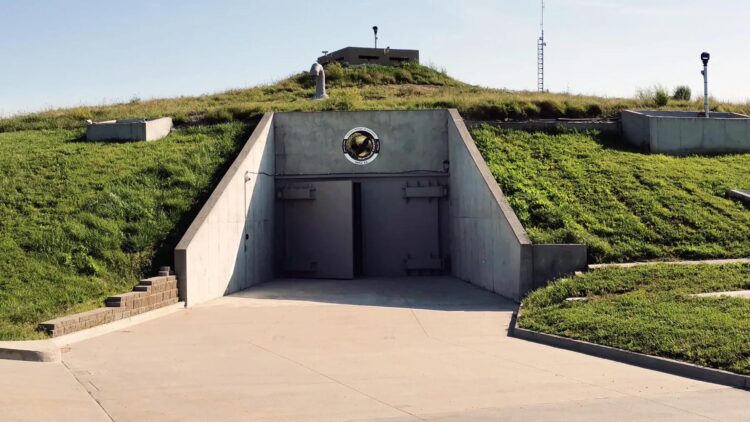
A great example of this is the massive underground complex developed by Atlas Survival Shelters in Kansas, and it’s worth about $30 million. The bunker covers around 1,800 square meters and it’s designed to house up to 75 people in a sealed environment. It is announced as capable of resisting a powerful nuclear explosion with its reinforced doors, thick walls, a concrete shield, a decontamination room, and advanced air filtration systems. What’s more, the bunker also has two generators for power.
If you had to picture a luxury bunker like this, you would probably think about resort-style features such as a swimming pool, movie room, recreation spaces, and a medical center, right? Well, that’s exactly what you would find there, but if you want one you should know they are sold like luxury apartments costing millions of dollars.
The curious thing about this situation is that companies building bunkers report increased demand. For example, Spanish company Underground Building says interest in shelters rose about 90% after the war in Ukraine began, while bunker executive Gary Lynch estimates purchases in the United States increased roughly 300% since Donald Trump first won the presidency in 2016.
Billionaire projects
The tendency to build private shelters has also reached some of the wealthiest people in the world, like technology entrepreneur Mark Zuckerberg. He has been finishing a large ranch on the Hawaiian island of Kauai, which reportedly cost well over 100 million dollars and includes multiple buildings, two mansions, and a multi-story underground bunker. Plans describe dozens of bedrooms and bathrooms along with its own water tank, suggesting long-term independence.
Basic survival kits
Even though luxury bunkers make headlines, the official recommendations keep focusing on preparing simple and accessible bags for most people. The European Commission has published official guides advising people to prepare a 72-hour survival kit for possible future emergencies, including basic elements like food, water, medicine, hygiene products, a radio with spare batteries, basic tools, important documents, and other necessary supplies. They do this to help people to handle short-term disruptions without panic or excessive spending.
Public shelter systems in different countries
Preparing for possible future emergencies changes depending on the country you are. For example, in Spain there are about 400 private shelters and around 50 public shelters, most of them built during the Spanish Civil War. Only four of them were designed to resist nuclear attacks.
Then, Finland presents a very different model. Due to its long border with Russia, the country has invested heavily in civil defense infrastructure. Authorities say underground shelters beneath large buildings could protect more than 4.8 million people. In Helsinki alone, more than 5,500 bunkers provide space for around one million residents. As you can see, these systems are designed to protect large populations rather than a limited number of private owners.
So…
You should think about how you would prepare with the resources you have because understanding your own approach to prepare for future emergencies may be more valuable than any high-tech bunker.