
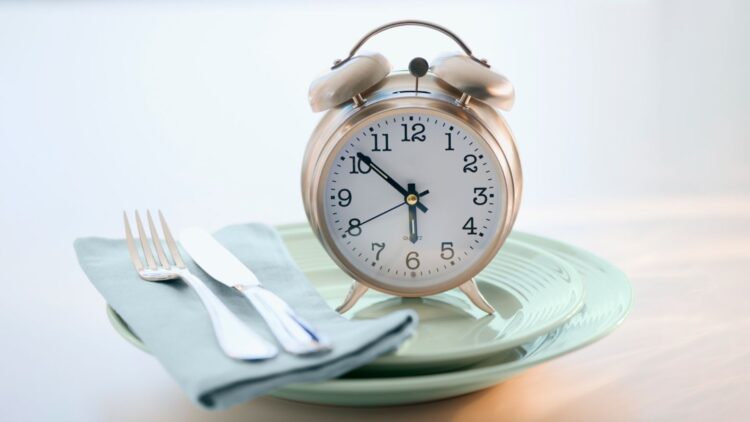
Many people pay attention to what they eat, but what about the time they eat? Dr. Diana Díaz-Rizzolo, researcher from the University of Columbia, explains that consuming too many calories after 5 p.m. may be negative for your health. Did you know that we have an internal clock called the circadian rhythm? This clock regulates key functions like metabolism and body temperature and ignoring it can increase the risk of diabetes, heart disease, and other health issues. So, let’s find out what we should do.
The time of your meals matter
Dr. Días-Rizzolo explained there are three key aspects about food: quality, amount, and time. Most of us only focus on the first two and forget about the last aspect, but that’s what’s probably affecting our health. I know it doesn’t sound very convincing, but we are going to explain everything with the data Dr. Díaz-Rizzolo has shared.
At night, our bodies naturally slow down. Melatonin, the hormone that signals it’s time to sleep, also tells the pancreas to reduce insulin production (insulin controls blood sugar levels). So, eating a large amount of calories at night makes your body work harder to process sugar, which can be harmful over time. As Dr. Díaz-Rizzolo said:
“When we consume glucose at night, the spike we experience is higher and lasts longer. Melatonin sends a message to the pancreas to stop producing insulin at the normal daytime rate. It signals that it’s time to rest—not to keep eating.”
The study on late eating
In a percent study, Dr. Díaz-Rizzolo divided people into two groups: one that consumed most calories during the day and the other consumed more than half of calories after 5 p.m., especially at dinner time and after. Now, let’s have a look at the the results:
- Eating a bit after 5 p.m. is not a problem.
- Eating more than half of your daily calories after that time is harmful.
Basically, people who ate most of their calories at night had worse metabolic health, meaning their bodies processed food less efficiently. This was true even after accounting for age, weight, sex, and lifestyle habits.
What’s more, the study concluded that consuming the majority of calories after dinner increases the risk of type 2 diabetes and heart disease.
Tips for healthy eating
Now that you know all of this, you might want to start protecting your health, right? So, here’s what you can do:
- Distribute your calories throughout the day. Eat a larger breakfast and lunch.
- Keep dinner light. Make it your last main meal before resting.
- Avoid nighttime snacking. Even healthy snacks add extra calories.
- Monitor your eating habits. If you notice eating a lot after dinner, try to adjust your routine.
So…
It’s beneficial to focus on what we eat and the quality of the food, but the moment of the day we eat is also important. So, are most of your calories coming late in the evening, or are you giving your body the energy it needs earlier in the day?
Who would have thought that the time we eat was going to be such an important factor for our health. Hopefully, now we know that sometimes simply paying attention to the time you eat is the first step toward feeling better and taking more control of your well-being.