
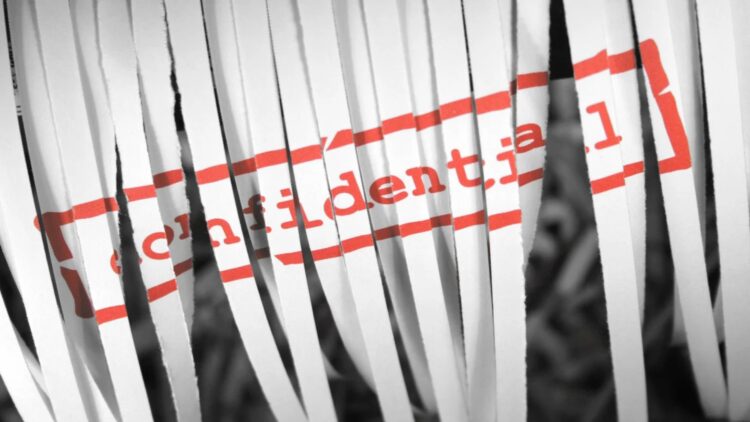
Many people believe that throwing old documents in the trash is no risk. However, some documents contain enough personal data for other people to commit fraud or identity theft. Even though they might seem like simple paper sheets with no value, they are more important than what many people think.
For this reason, data protection experts recommend destroying certain documents before throwing them away. It’s important to know how to properly do it because it’s not enough to crumple them or tear them in half. So, let’s see what’s the best way to do it and what documents you should destroy.
1. Expired IDs and old credit cards
These can’t be used anymore, but they still contain valid information. Even if your credit card is expired, the numbers on it can be used to commit fraud. This is why, before you throw them away, you must cut them, or shred them completely.
2. Temporary driver’s license renewal receipts
When someone renews their driver’s license, they receive a temporary paper receipt. This document includes very important personal data, so you should only keep it until you have the definite driver’s license. After that, you must destroy that temporary document to avoid someone using that information.
3. Old medical information
Medical bills, insurance documents, and health records contain sensitive data related to your health and your identity. So, keeping these documents for more than a year, when it’s not necessary, means a higher risk of medical identity theft. If you don’t need them, you should shred them.
4. Resumes and cover letters
A resume includes information like address, phone number, employment history, and sometimes references. You might think this information is not valuable to someone attempting identity theft, but it is. So, you’d better destroy them too, once you do not need these documents anymore.
5. Veterinary records for pets
Yes, these documents can be also used for identity theft because veterinary records include the pet’s owner’s name, address, and phone number. What’s more, a survey made by the digital security company Aura revealed 39% of pet owners have used the name of their pet as a password for an online account.
For this reason, if these documents are no longer necessary, the best thing to do is destroy them and reinforce password security.
6. Expired insurance policies
Old insurance policies contain policy numbers, financial information, and beneficiary details. In group insurance plans, they may even include the employer’s name. So, once the policy is no longer active, the documents should be shredded.
7. Boarding passes
Boarding passes do more than show flight information. They may include frequent flyer numbers and other personal details that could allow access to travel accounts. They should never be thrown away without being destroyed first.
8. Printed travel itineraries
Like boarding passes, printed travel itineraries contain personal information and trip details that may help verify someone’s identity. They should not be left in hotel rooms or discarded without shredding.
9. Old tax documents
Tax-related documents should be kept for up to seven years in case of an audit. After that period, old tax returns and records can be safely destroyed.
10. Property titles for homes or vehicles already sold
Once a house or vehicle has been sold, the old title documents are no longer needed. However, these documents could potentially be used in fraud attempts. They should be destroyed through shredding.
To sum up
Now you know how important it is to take a few minutes to shred these types of documents we have just mentioned. By doing this you are actively protecting yourself and your family. Think of it as a simple but powerful step to safeguard your identity and personal data.