
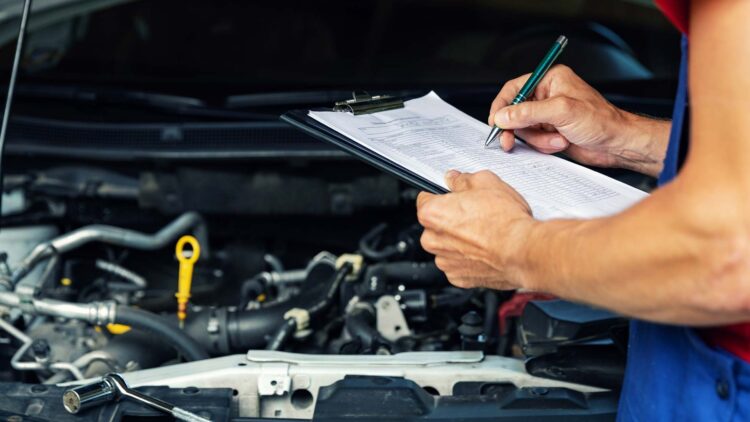
This February is when New Hampshire drivers will experience an important change in car inspection rules. For decades, car owners must take their cars to an annual inspection to make sure they are safe on the road. This included checking brakes, tires, lights, mirrors, and other key equipment. However, that requirement is ending now—but drivers still have responsibilities. So, let’s find out more about this change, shall we?
New car inspection rules
Before, the New Hampshire rules required that every car passed a safety inspection before registration. Basically, mechanics would check essential equipment to make sure vehicles were safe for the road. Although this process is helpful, it costs drivers money and time.
So, from February that mandatory inspection is no longer required and this is a major change because it means:
- Drivers don’t have to visit repair shops for an official inspection.
- Car owners save money on inspection fees.
- Drivers now must monitor their own car’s condition to prevent problems.
But, we have to mention that drivers can still be ticketed for broken or unsafe equipment. These are the common things that can lead you to a fine:
- Headlights or taillights not working.
- Worn or damaged brakes.
- Tires in poor condition.
- Missing or broken mirrors.
Basically, avoiding inspections doesn’t mean avoiding responsibility, so drivers need to ensure their cars are safe to drive, and avoiding inspections.
Why this matters
As everything in life, this law has some benefits and some risks:
- Benefits: drivers will be able to save money and time, avoiding annual car inspections and fees.
- Risks: with no professional checks, car owners must take extra care to monitor brakes, tires, lights, and mirrors. Unsafe equipment can still lead to fines or accidents.
It is also important to remember that even though inspections are no longer mandatory, New Hampshire law still requires vehicles to be safe. Drivers who ignore maintenance may face legal consequences.
Tips to avoid issues at repair shops
With this new law, drivers may still need repairs or maintenance on their cars. That’s why AARP recommend following these tips to avoid extra charges or frauds:
- Ask to see replaced parts or old fluids after repairs. If a shop refuses, it could be a warning sign.
- Request a walkaround in the shop to see what repairs were made. Look for cleaned areas, new parts, or tool marks.
- Check online reviews on Google, Yelp, or Facebook before choosing a repair shop.
- Get multiple opinions for costly repairs. If 2–3 shops suggest the same fixes, it is likely accurate.
- Test a new shop with small repairs first to see if they charge fairly.
- Bring someone knowledgeable about cars to check the work or bill.
- Keep all records in writing. This protects you if legal or billing issues arise.
To sum up
Now, the responsibility is in your hands. Just because the mandatory car inspection is going away doesn’t mean your vehicle is in good condition to drive on the road. In fact, it means the opposite. You are now the one who must pay closer attention to your headlights, brakes, tires, and mirrors. The law has changed, but the risk of getting fined—or worse, having a serious problem on the road—has not.
So, this new situation can work in your favor if you handle it wisely. Of course, you save time, avoid paperwork, and reduce costs, but only if you make regular car checks a habit and visit trustworthy repair shops when something isn’t right. What do you think about this annual car inspection change? Do you think it will have a positive or negative impact on drivers?