
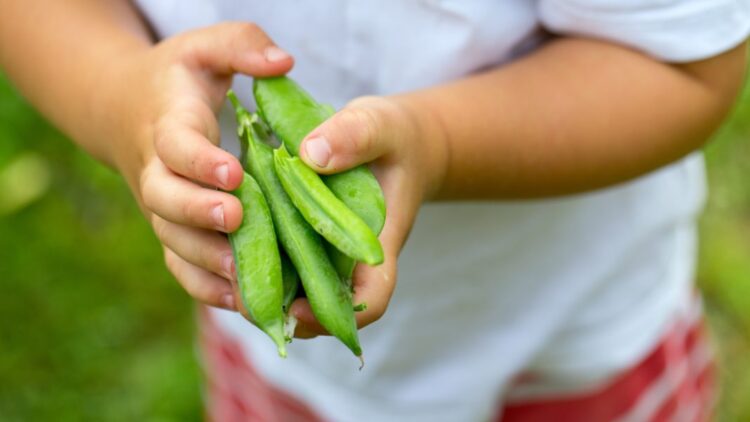
Healthy food is important for all of us, but for children it is crucial. But, did you know what most parents don’t include in their children’s diet? Beans. According to Dr. Kelly Fradin, a pediatrician trained at Harvard, even the most peaky eater children enjoy this food when it is prepared well. Teaching children to eat well from an early age can help them develop healthy habits that last a lifetime and protect them from health problems in the future. So, let’s find out more about beans, shall we?
Beans and children
Beans are an incredible source of plant-based protein, which is fundamental for children’s energy and development. Different types of beans contain all the essential amino acids, which are the building blocks the body needs to develop properly. Protein helps children have energy to play, helps their bodies rest and recharge after running or exercising, and keeps their muscles strong and healthy.
What’s more, beans contain fiber, which is very important for digestion. There are two types of fiber in beans:
- Soluble fiber: helps children feel full after meals, prevents overeating, and keeps blood sugar levels stable. Soluble fiber also helps lower “bad” LDL cholesterol, supporting heart health.
- Insoluble fiber: helps food move through the body easily, which helps children go to the bathroom regularly and avoid constipation.
Nutritional benefits
Beans are rich in vitamins and essential minerals that children need to grow healthy. According to the pediatrician:
- B vitamins: support energy production and brain health.
- Iron: carries oxygen through the body, helping children feel energized.
- Folate: supports cell growth and development.
- Magnesium: important for muscles and nerves.
In addition, some beans, such as soybeans, also contain healthy fats (omega 3 and 6), which are beneficial for our heart and brain.
More than nutritional food
Apart from being nutritional, beans are also very practical for many families because they:
- Have a long shelf life, so they can always be stocked at home as a healthy option.
- Are affordable, so anyone could buy them.
- Are environmentally friendly, since they produce less pollution than many animal-based proteins.
As you can see, beans are more than a beneficial food for children’s health, but also for our pocket and the planet.
Versatile and easy to eat
Even the healthiest food is not useful if children don’t want to eat it. The pediatrician explains that many children enjoy the flavor and texture of beans, and the great thing about this food is that it can be prepared in many ways. Let’s have a look at some easy ways to serve beans:
- Steamed edamame (young soybeans).
- Black beans in cheesy quesadillas.
- Black bean brownies, which are both delicious and nutritious.
If your kid is a more adventurous eater, we got some ideas:
- Hearty stews.
- Lentil soups.
- Bean chili.
So…
As a parent, you have the power to shape lifelong healthy habits. By adding beans to meals—whether in a quesadilla, a soup, or even a fun brownie—you’re giving your child a simple, delicious, and nutritious boost every day. Start today, experiment with different recipes, and watch how even picky eaters can learn to love this versatile food.
Have you ever thought of this food as a positive choice to include in your child’s diet? If the answer is no, you should think that your child’s future health starts with the choices you make now, and a little can of beans might just make a big difference.