
If there ever was a real-life chymera, that would be the platycus. It is a strange creature indded: it sports with a bill like a duck, feet meant for swimming, and a tail similar to a beaver’s. This weird animal can even make time to play spy part time and boicott Dr. Heinz Doofenshmirtz plans for world domination.
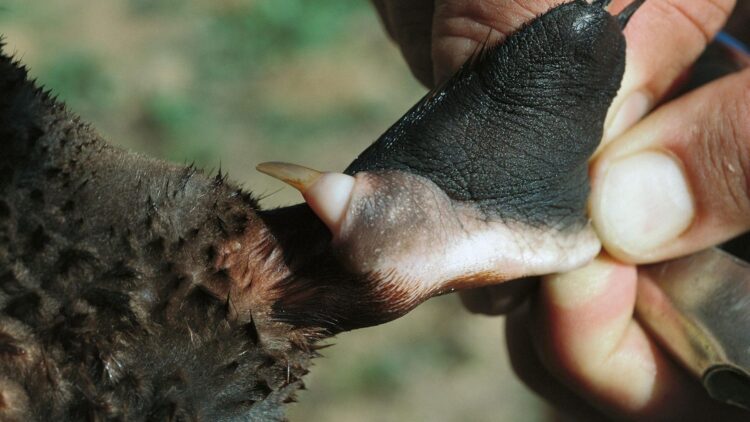
To make things even stranger, grown males have a secret weapon on their back legs: a sharp spur that delivers venom powerful enough to land a healthy person in the hospital. We are yet to see Perry the Platycus use this little natural weapon in a Phineas and Ferb episode, but real-life victims say the agony is much worse than you would expect from such small puncture marks.
For years, scientists and doctors have tried to figure out what makes this toxin so unique and why nobody has made an antidote for it. New findings from Australian clinics and chemical research point to a reason: while the animal creates a complicated, rare mixture of molecules that inflicts severe and lasting pain, stings happen so rarely that making a widely available antivenom just isn’t worth it.
A unique poison tucked away in the platypus’s back legs
Much like a poisoned dagger hidden in an ankle strap, platycus have a secret weapon up their sleeve—I mean, their back leg! This type of venom is only present in male specimens, delivered through a tough spur on their rear legs that connects to a gland in their thigh. This gland swells up and kicks into gear during mating season when males are facing off against each other, but it shrinks back down once that period ends. Because of this specific timing, scientists believe the toxin serves as a weapon for turf wars and fighting over partners, rather than a tool for hunting dinner.
If two males get into a scrap near the water, a solid kick allows one of them to dig his spur right into his rival’s flesh. Their leg is flexible enough to turn, making the spur act like a small switchblade that shoots poison from the gland directly into the cut.
Even young males have little spurs, but since their glands don’t make much poison until they are fully grown, it supports the theory that this mechanism developed specifically for fights between adults.
A platycus’ sting, worse than a wasp’s
Everyone unlucky enough to get stung tells a nearly identical tale. The agony kicks in right away, ramps up fast, and simply refuses to stop. The area puffs up far past the actual sting site, and the affected limb gets so tender that something as soft as a bedsheet or a gentle tap feels incredibly painful. Old medical records from Australia show that regular pain meds are practically useless, meaning doctors often have to completely numb the nerves just to help patients get through it.
Researchers believe this happens because the toxin is designed to overstimulate pain receptors instead of attacking vital organs like the lungs or heart. Lab tests run by Glenn de Plater at the University of Sydney revealed that the poison targets pain neurons directly, and it also contains a hormone-like ingredient—a natriuretic peptide—that prompts immune cells to make the swelling and throbbing even worse.
Broader studies on toxins indicate that these chemicals probably force open small channels in nerve endings that function like electrical switches; once those switches are flipped, the pain message never stops sending.
One man’s sting is another man’s medicine
Looking on the bright side of this incredibly powerful poison, the specific traits that turn this venom into a disaster for victims actually make it an exciting resource.
Since these molecules are so good at ramping up nerve signals, they could help create drugs that turn those signals down for chronic pain sufferers, perhaps by jamming the same routes or using safe versions of the venom. Research on nerve-growth compounds found in the poison has opened the door to understanding how nerves heal and sense pain, particularly for illnesses where normal touches hurt too much.
When it comes down to it, most people will only look at a platypus in a video or an exhibit, never getting into a brawl on a riverbank. Still, this shy creature is helping researchers figure out the evolution of mammal poisons, the way pain works in the body, and how we can make fresh treatments using ancient survival tactics. The most significant new report on people getting stung appeared in the Medical Journal of Australia.