
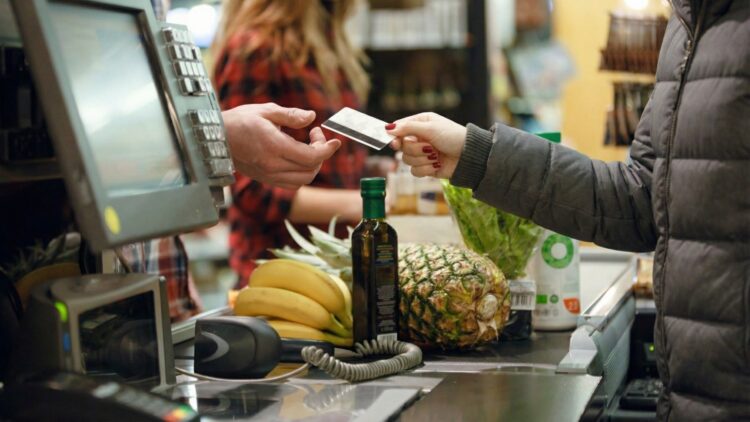
Going grocery shopping is going to become slightly more affordable in Arkansas. And by slighly, we mean mere cents. The good thing is, Arkansas is going by without its food tax starting in January 2026. The—somewhat—bad news is that it is one of the smallest taxes in all the United States (0.125%) so it will be hard to notice any difference.
Back in March 2025, Governor Sarah Huckabee Sanders announced a tax relief that would put an end to the food tax. Taxing first order necessities such as food was a burden on families who just want to food on their kitchen table was playing unfair to vulnerable people who didn’t have much to begin with.
No more Food Tax in Arkansas Starting on 2026
Starting January 1, Arkansas will do without its food tax. However, that doesn’t mean no taxes will be applied to groceries: local taxes still apply, businesses just need to update their calculations up to this new legislation.
There’s a catch to ultra-processed foods: soft drinks, alcohol and prepared foods are not considered “strictly groceries” in this state, so they are subjected to both Arkansas state taxes and local taxes. (Being unhealthy is expensive, or so it seems.)
In fact, each city and county can adopt its own local sales taxes—with which they pay for public services and run their own administration. For example, Little Rock has the state’s base tax (6.5%), the Pulaski County Tax (1%) and their own city tax (1.13%) so their total sales tax rate ends up being 8.63%!
Once the the legislation starts on January 1, only the county and local taxes will be applied to groceries and food ingredients.
What was the Arkansas food tax for?
With such a tiny percentage—only 0.125%—one can only wonder what kind of budget you can come up with. This tax only collects and 1/8 of a cent per dollar, and has been known as the “Conservation Tax” since 1996. Last year, this teeny tiny tax collected $11 million, which were used to fund:
- The Arkansas Game and Fish Commission (45%), which protects natural wild life, and keeps the trails and visitors centers running;
- The Arkansas State Parks (45%), to help maintain the state parks. Itkeeps the trails and visitors centers running;
- The Arkansas Heritage (9%): which takes care of historical sites, state museums and cultural heritage related to the state; and finally,
- The Keep Arkansas Beautiful (1%): it finances all cleaning, recycling projects, and campaigns to raise public awareness.
Arkansas’ food tax has not always been so low. Its started at 6%, but has been gradually reduced down since 2007 to 0.125% to help vulnerable families. After all, domestic units with less annual income spend a higher percentage of their earnings on food, so taxing groceries is not fair to those with with smaller incomes.
Other states going without the food tax
Illinois will do without their 1% food tax too starting next year. However, there’s a catch: since this 1% tax was used to keep counties and their public services running, local authorities can actually vote (without asking for their residents’ opinion) to start taxing this 1% themselves so that they don’t end up with a massive hole in their local budgets.
This leaves people in Illinois with two different possibilities. It’s some sort of “Schrodinger Tax” If your local leaders decide to manage with less money and choose not to bring in a new tax, you’ll keep an extra 1% in your pocket every single time you hit the grocery store.
However, if your local officials run the numbers and realize they can’t afford the loss, they’ll just pass a new city-level tax. In that case, the total on your receipt won’t drop by even a single penny.