
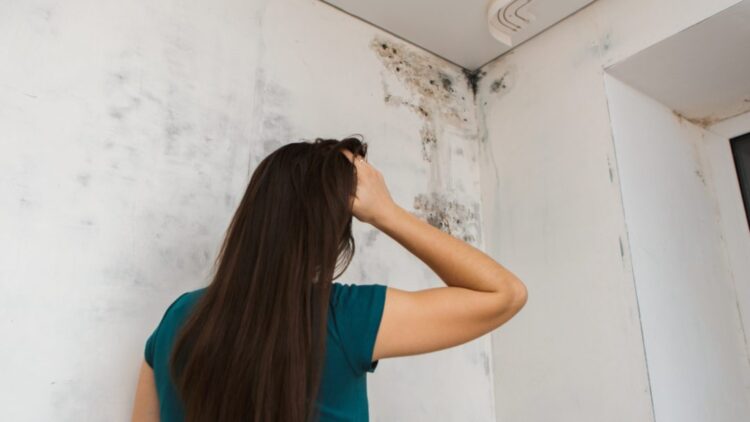
Do you want to detect humidity hidden inside your walls? Place aluminum foil on the surface. We know this sounds crazy, but it’s what architects and construction experts recommend. Here, we are going to tell you why this simple trick is worth the try. So, let’s get started!
Aluminum foil to detect humidity in the walls
Why do architects and construction experts use aluminum foil? Because it creates a sealed and isolated surface against the wall. When the aluminum foil is tightly attached, it prevents air from entering between the wall and the foil. This is important because it allows you to determine whether moisture is coming from inside the wall itself.
If condensation appears underneath the foil after some time, this is a strong sign that water is present within the wall material or just beneath the surface. Basically, if you see water behind the foil, it likely means the wall has a moisture problem.
This method is especially helpful in kitchens and in older homes because those places are more likely to have moisture problems since:
- In kitchens, cooking creates steam that can add moisture to the walls.
- In older homes, building materials may have worn down over time or may have been exposed to water in the past.
Materials
Now, let’s focus on the materials you will need for this test:
- A dry cloth.
- Aluminum foil.
- A phone or camera to document results.
- Strong tape.
- An optional thermometer.
Because the items are easy to find, this test is considered a simple DIY method that homeowners can try before taking further action.
How this works
Once you have all the materials, the process is very simple because you don’t need special skills. Let’s explain the process step by step:
- First, gently wipe the part of the wall you want to test with a dry cloth. Just make sure it’s clean and free of dust so the tape will stick well and hold the aluminum foil in place.
- Next, cut a piece of aluminum foil that’s a little bigger than the area you want to check. Then gently press it flat against the wall so it covers the spot completely.
- Then, use strong tape to seal all the edges tightly. Make sure the foil is stretched smoothly in the center and that no air can enter from the sides. The goal is to completely seal the foil so any moisture that appears will come from the wall, not from the room’s air.
- Once the foil is secured, leave it in place for 24 to 48 hours. After waiting this period of time, you should carefully remove the foil and examine the side that was touching the wall and look for water droplets, dark spots, and white powdery residue (efflorescence).
If you notice any of these signs, the wall likely has a moisture problem inside or beneath the surface. If the foil is completely dry, the issue may not be water trapped in the wall, but it could be caused by indoor humidity or surface condensation.
Tips to avoid moisture problems
In case you want to do something to reduce the risk of moisture buildup inside walls, this is what you should do
- Ventilate the house well after cooking or showering.
- Repair damaged window seals.
- Keep floors along walls dry.
When the problem becomes more serious
While the aluminum foil test can help identify early moisture issues, some warning signs indicate a more serious situation. This is when you should consider contacting a professional if you notice:
- Large stains.
- Strong musty odors.
- Active mold.
- Peeling wallpaper.
So…
It is important not to ignore those signs and contacting a moisture or mold specialist may be necessary to prevent more serious structural damage. Would you have a go at this try?