
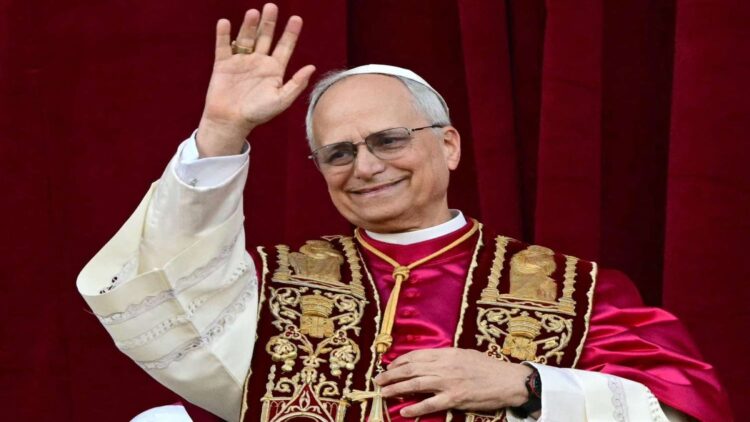
Pope Leo XIV urged AI creators and platform CEOs to think beyond maximizing profits and plundering cultural archives to feed their models. In his first message for the 60th World Communications Day, released on January 24, the pontiff emphasized the shared responsibility of governments, digital platforms, media outlets, and citizens to “preserve human voices and faces” in the face of algorithmic logic and simulation.
“The face and the voice are unique, distinctive features of each person; they manifest their unrepeatable identity and are the constitutive element of every encounter” – Pope Leo XIV
Pope Leo was speaking on the Church’s 60th World Day of Social Communications, which falls on the feast of St. Francis de Sales. “The face and the voice are unique, distinctive features of each person; they manifest their unrepeatable identity and are the constitutive element of every encounter,” the Pope affirmed, recalling that both are sacred because they point to the creation of the human being in the image and likeness of God.
Pope Leo XIV made no mention of a recent conference of exorcists which warned that AI could lead to “new forms of necromancy and communication with the deceased”
Pope Leo XIV insists that the debate on artificial intelligence is profoundly human. “The challenge, therefore, is not technological, but anthropological,” he states, warning that AI systems, by simulating voices, faces, emotions, or relationships, “invade the deepest level of communication, that of the bond between human beings.” Pope Leo XIV made no mention of a recent conference of exorcists which warned that AI could lead to “new forms of necromancy and communication with the deceased.”
The Pope urges us to be more present and not immersed in ‘alternative’ realities created by artificial intelligence
The Pope also warns of the risk of delegating thought to artificial intelligence. “Withdrawing from the effort of our own thinking, contenting ourselves with an artificial statistical compilation, risks eroding our cognitive, emotional, and communicative capacities,” he notes. He said that AI “maximizes engagement on social media” and groups people into “bubbles of easy consensus and easy outrage,” reducing populations’ ability to think critically and making them more polarized, as he said before.
In short, the Pope urges us to be more present and not immersed in ‘alternative’ realities created by artificial intelligence. He said AI is turning people into “passive consumers of unthought thoughts” while “the masterpieces of human genius in the fields of music, art, and literature are being reduced to mere training grounds for machines.” The Pope proposes a broad social alliance to guide digital innovation toward the service of the common good. “This alliance is possible, but it must be founded on three pillars: responsibility, cooperation, and education,” the pontiff emphasizes.