
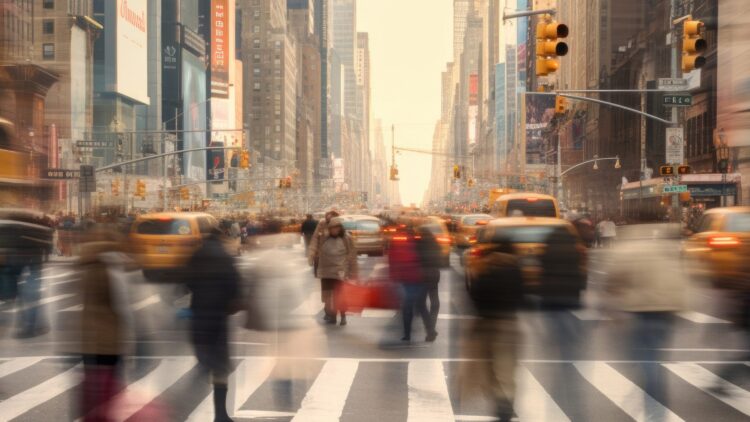
After decades of sitcoms elevating New York as the most interesting city in the Western world (Friends, Seinfeld, SATC, Gossip Girl, you name it), anyone who moves to the Big Apple will believe that all their dreams have come true. That may be true, but after the honeymoon period, we realize that the skyscrapers block our view of the sky, the neon lights can irritate our eyes, and the traffic in this city is unbearable.
We have to take into account the geographical reality of Manhattan: it is a narrow island with a very limited number of entrances and exits. For centuries, traffic was sustainable, but with the increase in population and the need for hyper-connectivity that modern humans have, it is typical for this city to have traffic jams at some point or another every day.
All kinds of incentives have been put in place—especially negative economic incentives. Starting in 2026, with the new implementation of Congestion Pricing, a nice way of saying it will cost between $9 and $15 to enter the central business district. However, this toll does not mean that the roads will be clear, but rather that traffic will be slightly less congested.
Three dates when NYC is most congested
City authorities always give advance warning. In this case, events that take place in the city several times a year cause traffic to go from being a nuisance to bringing the entire car traffic system to a complete standstill. If you are going to live in the city, or visit it, be very careful if you get in a car during these dates:
Late September
The United Nations General Assembly takes place during the second half of September. Leaders from around the world converge on the UN headquarters, located between First Avenue and 42nd Street. Since all world leaders are gathered together, protocol requires that they be escorted by a large number of armored cars, so it is not a matter of an increase in private vehicle traffic, but rather that many avenues are closed so that they can circulate freely. The rest of New Yorkers? They are left to walk or take the subway.
Thanksgiving Week
While world leaders descend on New York in September, New Yorkers flee Manhattan en masse to celebrate Thanksgiving outside the city (presumably with family members who are not lucky enough to live in the Big Apple).
The Wednesday before Thanksgiving is the busiest day for traffic in the tunnels and bridges connecting New York to New Jersey and New York. If you’re leaving the city by car this Wednesday, be prepared for your usual commute to take three times as long (remember to download an audiobook!).
In addition, preparations are underway on the Upper West Side for the famous Macy’s parade, so multiple streets between Central Park West and Columbus Avenue will be closed the day before the parade.
December
If we had specific days of heavy traffic during the year, the entire month of December becomes absolute chaos. This is because domestic tourism coincides with Christmas shopping, tourist buses, and an increase in parcel deliveries due to the typical celebrations of this month. This is when the city’s Department of Transportation officially designates several days of the month as Gridlock Alert Days, when traffic congestion is so heavy that the average speed of vehicles in Midtown falls below 4 miles per hour.
Yes, you literally go faster walking than driving. This chaos is especially concentrated in the Rockefeller Center area, which is one of the biggest tourist attractions thanks to the Christmas tree. Most New Yorkers avoid this area if they can help it. In addition, the Fridays before Christmas become total chaos as commercial traffic mixes with weekend getaways.