
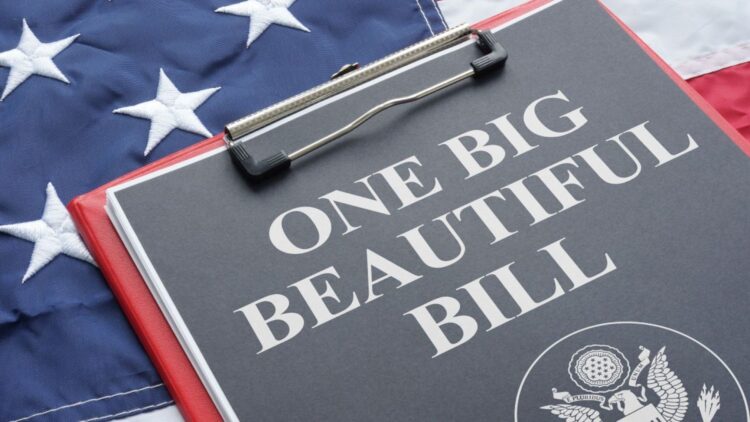
As Treasury Secretary Scott Bessent announced last year, taxpayers will receive “very large refunds,” in his own words, starting in early 2026. This is a result of the retroactive tax provisions included in Donald Trump’s now-famous One Big Beautiful Bill Act (OBBBA), passed last summer. The new law provides six new ways to reduce taxable income, including the charitable deduction, the qualified tips deduction, the qualified overtime deduction, the auto loan interest deduction, the enhanced senior citizen deduction, and private mortgage insurance.
The OBBBA includes retroactive provisions for new policies such as zero tax on tips
Thus, with the start of the 2026 tax season, citizens will be able to access various deductions that can help household finances. The reason for these exceptionally large refunds stems from two factors. First, the OBBBA includes retroactive provisions for new policies such as zero tax on tips for income up to $25,000, and overtime deductions of up to $10,000 in loan interest for certain U.S.-made automobiles. In addition to the initial refund, the changes to the law include higher standard deductions, for example, $32,200 for married couples filing jointly. It is important to consult official websites to understand the details of each deduction.
Deductions work by reducing the amount of income an American is taxable to the IRS
Since this law was passed in July, many workers were unable to adjust their payroll withholding levels. This means they had more money withheld than they should have, resulting in a larger tax refund—good news for these workers. Deductions work by reducing the amount of income an American is taxable to the IRS, which in turn lowers their total tax liability. In addition to the above, the deductions also include a permanent increase in the child tax credit and new deductions for seniors, increasing disposable income for many families and retirees. This is welcome news after months of uncertainty following last year’s government shutdown.
“American workers didn’t change their withholdings, so they’ll receive very large refunds in the first quarter” – Scott Bessent
While tax deductions indirectly reduce taxes owed by lowering taxable income, tax credits differ in that they reduce the actual tax owed on each dollar. Bessent explained that these refunds will be applied to income already earned without workers having adjusted their withholdings: “American workers didn’t change their withholdings, so they’ll receive very large refunds in the first quarter.” Among the changes expected this year are deductions for charitable donations. While Americans taking the standard deduction haven’t been allowed to deduct their charitable donations on their tax returns, the Republican spending bill has permanently changed this. This is a significant change that will affect a portion of the population.
Those over 65 can now claim an additional $6,000 deduction
On the other hand, thanks to the spending bill, another tax change is that eligible workers can deduct up to $25,000 of their tip income from their federal income taxes. And under another heading is the qualified overtime deduction, which reduces the amount of income subject to federal income tax for qualified overtime pay. Regarding the auto loan interest deduction mentioned above, Americans can deduct up to $10,000 on their federal tax returns for interest paid on qualifying loans for new personal vehicles.
Finally, citizens will also be able to claim deductions for having private mortgage insurance. That is, if they own a home and itemize their deductions, they can deduct the qualified interest they pay on their mortgage. And seniors can also benefit. Those over 65 can now claim an additional $6,000 deduction, on top of their standard or itemized deductions. In any case, it’s important to keep in mind that, according to experts, these deductions will create public debt, which could pose a serious problem for the future of state finances.