
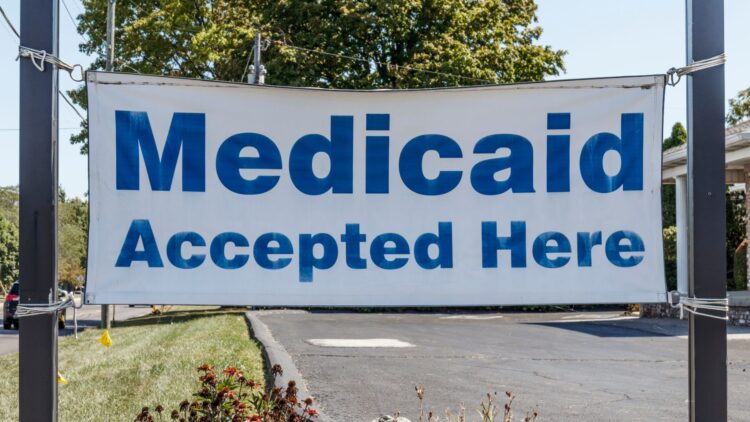
The financial incentives to expand Medicaid are coming to an end, at least from the govenrment’s part. From 2026 on, people who get insurance through the ACA marketplace will face higher costs.
And not only that; under the OBBB law, medical students are going to have fewer ways to manage their student loans. Doctors should be ready to see these big policy shifts and other changes from the One Big Beautiful Bill Act (OBBBA) start happening in January 2026.
During an AMA webinar in November, Board Chair Dr. David Aizuss explained that this massive budget bill, which became law in July, is going to slash funding for federal health programs and limit access to coverage. According to data from the Congressional Budget Office, almost 10 million people might end up without health insurance by 2034 because of this. If the Affordable Care Act‘s extra premium tax credits aren’t renewed after 2025, the CBO expects the number of uninsured folks to jump by more than 14 million in 2034.
Annalia Michelman, a senior attorney with the AMA Advocacy Resource Center, noted that over the next few years, the OBBBA and other changes will cut down the time people have to sign up, get rid of automatic renewals, and make it tougher to find and keep coverage that doesn’t break the bank.
Here are the main changes that US citizens and residents will feel in their Medicaid, starting this year:
Loan help for medical students
From July 2026 onward, the new law changes how medical students can borrow money for school. Here is what is happening:
- Yearly Limits: You can only borrow up to $50,000 a year in certain federal loans.
- Total Limits: You can only borrow a total of $200,000 for graduate school. If you count loans from college (undergrad) too, you can’t borrow more than $257,500 in total.
- Repayment Choices: For new borrowers, there will only be two ways to pay the money back, instead of the many options available now.
Tax credits for legal residents
The rules regarding which legal non-citizens can get premium tax credits for the ACA Marketplace are changing from January 2026. One part of the law limits these credits to just a few specific groups: green-card holders, people granted status as Cuban or Haitian entrants, and citizens of the Marshall Islands, Palau, or Micronesia.
This means other non-citizens who used to qualify—like refugees, asylum seekers, and people with Temporary Protected Status—will lose access to these credits.
The OBBBA also scrapes a special rule that helped legal non-citizens earning below the federal poverty line; previously, if they couldn’t get Medicaid because of their immigration status, they could get marketplace tax credits instead, but that option is gone now.
Getting rid of the limit on tax repayments
When people get help paying for ACA marketplace plans, it usually comes as an “advance” tax credit—basically, you estimate your income at the start of the year, and the government lowers your monthly payments based on that guess.
If your guess is off and you end up making more money than you expected, you are required to pay back that extra help. Before the OBBBA law, the amount you had to pay back was limited based on how much you earned, so people with lower incomes had a safety net to stop them from owing huge sums. Those safety limits are now gone, which means many people could end up owing serious money if their income estimate is wrong.
For patients, these changes will mean waiting longer for care, ending up with worse health problems, and facing money troubles at home.
For doctors, she added, it means seeing more patients who have little or no insurance, shaky funding for safety-net programs, and even more stress on medical practices that are already struggling.
It is now up to the states to figure out if they can soften the blow. The AMA has been teaming up with state medical groups and national specialty organizations to help guide those decisions.