
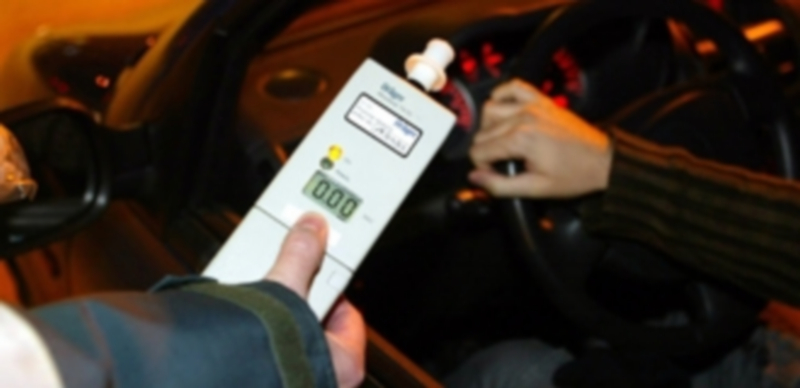
El próximo lunes 9 de diciembre comienza una campaña especial de control de alcoholemia y drogas en las carreteras de la provincia, según ha anunciado la Subdelegación del Gobierno.
La vigilancia especial se mantendrá hasta el próximo domingo 15, fechas en las que serán habituales las cenas y comidas de celebraciones navideñas.
Según la información facilitada por la Subdelegación del Gobierno, en el mes de diciembre del pasado año cuatro personas perdieron la vida en accidentes de carretera y otras cuatro resultaron heridas graves en las carreteras de la región. “Está demostrada la relación entre consumo de alcohol, incluso a bajas concentraciones etílicas, y la reducción de la capacidad de conducción que se refleja en el deterioro de la atención, de las funciones visual y auditiva, perturbaciones en el campo perceptivo, cansancio, somnolencia o fatiga muscular y los accidentes de circulación”, aseguran.
Por ello durante el período de tiempo comprendido entre los días 9 y 15 de diciembre la Dirección General de Tráfico llevará a cabo esta campaña especial de intensificación de pruebas. Tanto los agentes de la Agrupación de Tráfico de la Guardia Civil, como los agentes de las Policías Locales de los ayuntamientos adscritos a la campaña (Segovia, Cuéllar y El Espinar) aumentarán los controles sobre dicho factor de riesgo, con el objetivo de realizar unas 3.000 pruebas diarias de alcoholemia y drogas a conductores que circulen por las carreteras, con un total aproximado previsto de unas 21.000 pruebas. Las pruebas no sólo se realizarán en horario nocturno, sino también en horas del medio día, para que los controles resulten también disuasorios de ingestión de bebidas alcohólicas durante las típicas comidas que son propias de este mes.
En este sentido, señalan las mismas fuentes que la ingestión de alcohol produce numerosas alteraciones orgánicas y psicológicas que pueden entrañar un grave riesgo durante la conducción de vehículos. “No valen trucos ni extraños inventos para intentar saltarse la norma. Lo único que funciona es no mezclar alcohol y conducción”.
Según datos del Observatorio Europeo para la Seguridad Vial (ERSO), alrededor del 25% de todas las muertes en carretera en Europa están relacionadas con el alcohol, mientras que aproximadamente sólo el 1% del total de kilómetros recorridos son conducidos por personas con 0,5 g / l de alcohol en la sangre o más. El alcohol no sólo está relacionado con una mayor accidentalidad, sino que también repercute en una mayor mortalidad.
