
We are still recovering from the stress of the Christmas season (and finding little scraps of wrapping paper everywhere!). But the hustle and bustle never stops; soon we will have to take care of the New Year’s Eve party and then our resolutions for 2026.
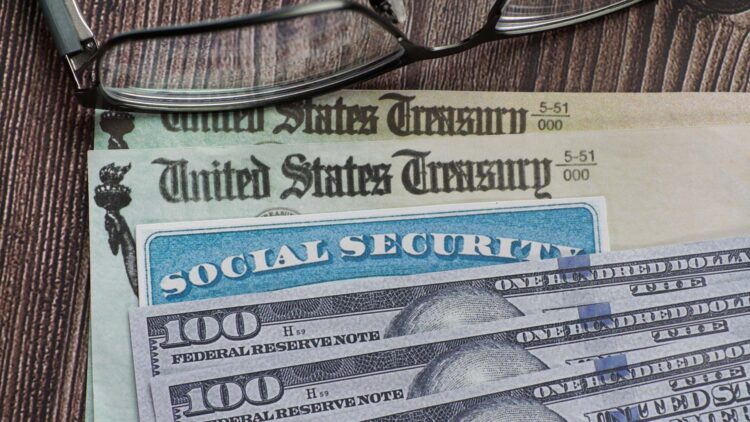
Some, however, are already looking ahead to tax season. No wonder: with last year’s change in the law, tax refunds will be significantly higher than in previous years… At least that’s what Kevin Hassett, director of the National Economic Council, says: “We’re going to see the biggest round of refunds in the history of the United States, and people are going to get huge checks,” Hassett assured. “We expect that even a portion of the adjustment will be worth a refund of a few thousand dollars… the numbers are impressive.”
Hassett, a leading candidate for the chairmanship of the Federal Reserve, and Donald Trump himself have highlighted these “amazing refunds.” The president pointed out that his administration expects “the biggest refund season ever” this spring and said that many families could save between $11,000 and $20,000.
Well spent money
Despite these optimistic statements by spokespeople for state financial agencies, the average American citizen does not share this sentiment. In fact, a recent survey found that 44% of participants feel “behind” financially. Hassett responded by arguing that wage increases have outpaced inflation. “We saw wages rise by 3.7%. With inflation at 1.6%, real wages are growing,” he explained. The director assured that “people will see it in their wallets.”
It may be our unrealistic expectations of the lifestyle that our income actually allows us to lead, but a dangerously high percentage of the population lives paycheck to paycheck, and a $600 emergency (medical, car breakdown, rent deposit) would put them in the red. This is why a higher-than-normal refund can serve as a breath of fresh air for the average family unit.
But why will refunds be higher this year? It’s all due to a change in legislation that hasn’t had time to be properly implemented: “We didn’t pass the ‘Big, Beautiful Bill’ (OBBB Act) until mid-summer, so many of the tax changes affecting last year weren’t on the forms people filled out at the beginning of the year,” Hassett added. Basically, the government has been withholding money that will now be returned to workers’ pockets.
A Beautiful Refund
The IRS has issued a warning about changes under the One Big Beautiful Bill. For example, for tax years 2025 through 2028, qualifying seniors can deduct an additional $6,000 from their income.
However, taxpayers should be careful: some cities and states have opted to “opt out” of the OBBB, which means that the relief will not apply in those areas: California, Illinois, Maryland, Virginia, Rhode Island, and New York have decided to keep on taxing despite the federal tax cut (what a shock, right? /s).
What will people spend their refund on?
A new survey of 2,000 taxpayers found that nearly two in three (64%) have already spent or plan to spend their refund on basic necessities. Four in five spent it on essentials: rent (58%), food (48%), and credit card debt (29%).
The study revealed that participants received more than $2,300 on average this year, up from the $1,700 originally projected in December 2024. Sixty-one percent said their refunds are a vital part of their 2025 budget.
What about you, have you decided what you will spend it on?
FAQs
Is it true that I will receive a $20,000 refund?
It is not a fixed amount for everyone. The average will increase by about $1,000, but large families who accumulate deductions for overtime, tips, and car interest could reach that $20,000.
Why is the refund higher in 2026 than last year?
Because the OBBB law was passed in July 2025 but is retroactive to January. For half a year, you overpaid taxes because your employer didn’t have the new tables. That “overpayment” is now being refunded to you. So now, it’s not free money for you. (In fact, you loaned that money to the Government with 0% interest for a year with skyrocketing inflation, so joke’s on you.)