
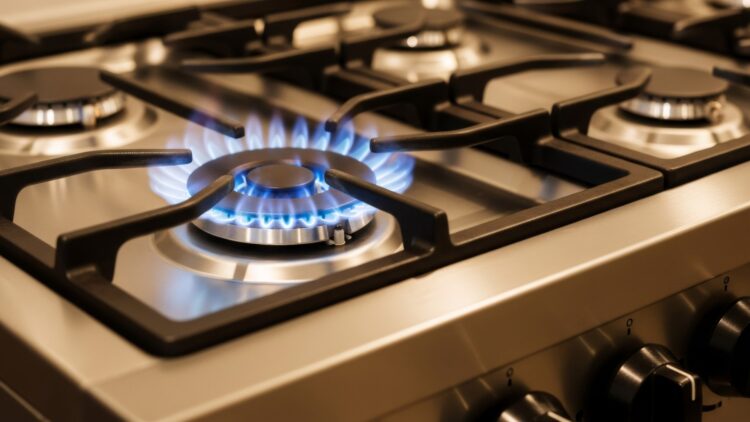
Believe it or not, millions of people in the United States do not have the necessary protection against harmful air pollution when they stay at home.
This has been demonstrated by a new study conducted by Stanford University. Apparently, the gas stoves we use every day significantly increase indoor exposure to nitrogen dioxide. Without realizing it, they often exceed the levels set by the OZ, putting our health and that of our loved ones at risk.
The Dangers of Unventilated Gas Stoves
Gas and propane stoves release significant amounts of nitrogen dioxide. This pollutant is associated with asthma, chronic destructive lung disease, diabetes, lung cancer, and even premature births.
Switching from gas stoves to electric stoves can reduce exposure to this pollutant by more than 25%. While previous studies have examined emissions, this study is the first to assess both indoor and outdoor exposure across the country. The study’s lead author confirmed: “We already knew that outdoor air pollution harms our health, but we tend to assume (sometimes incorrectly) that the air inside our homes is safe.”
To the researchers’ surprise, they realized that a gas stove can reach levels of nitrogen dioxide pollution indoors that are comparable to the polluted air found outdoors.
Air quality and its impact on health
Outdoor pollution kills hundreds of thousands of Americans every year and causes millions of new cases of childhood asthma worldwide.
Clean air laws in the United States have regulated outdoor emissions, but indoor pollution—such as from domestic stoves—remains largely unregulated… even though the health risks can be comparable.
The same research team discovered in 2024 that gas stoves release nitrogen dioxide at levels considered unsafe. Concentrations of this pollutant can remain high for several hours, even long after the burners and ovens have been turned off.
Not only do they emit nitrogen dioxide, but gas stoves also emit dangerous levels of benzene, a carcinogen linked to leukemia and other blood-related cancers.
How to promote good air quality within our homes
For most Americans, the majority of exposure to nitrogen dioxide comes from outdoor sources such as cars and trucks burning fossil fuels. However, Americans who live in small homes and rural areas tend to cook more with gas. This form of cooking generates levels of nitrogen dioxide that exceed the recommended long-term safety thresholds. In fact, they are more exposed to this gas indoors than outdoors.
The best way to tackle this problem is to switch to electric cooking. If we don’t like cooking with high heat, this alternative is cleaner and exposes us to fewer pollutants. If you don’t plan to stop cooking with gas (which is perfectly understandable), here are some habits you can incorporate into your meal-prepping sessions:
- Turn on the range hood before lighting the stove, and leave it running for at least 10 minutes after cooking.
- Always use the back burners—they are best positioned under the range hood.
- If you don’t have an extractor fan, open the kitchen window and another window on the opposite side of the house to create a draft. Above all, don’t let the air stagnate.
- Reduce your use of gas: use other appliances (electric kettles, toasters, etc.) to do simple tasks.
Finally, remember that when ventilating your home, you must choose the right time. Avoid rush hour traffic. If you live in a city, don’t tell me, for example, that 8:00 a.m. is a long time when everyone is going to work and creating traffic jams—at the time when everyone is coming home. Ventilate at a time when there is generally little traffic.
Be efficient: it is more effective to open all the windows in your house wide for 10 minutes than to have a crack open all day. Not only will it cool the house down, but it will also not renew the air as much and will be in vain.