
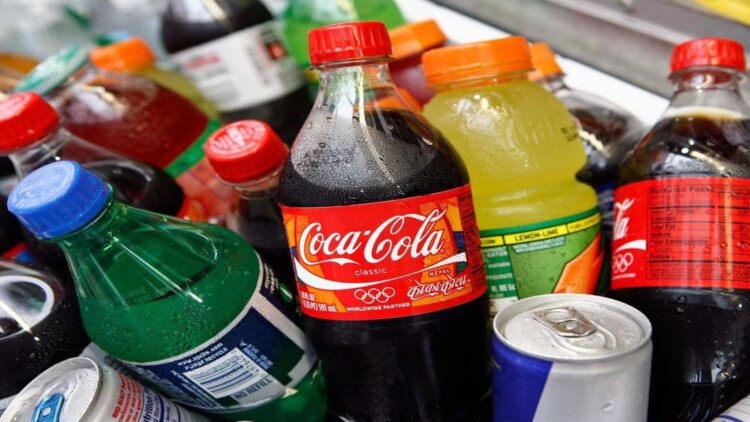
The SNAP program helps millions of people in the United States. It is one of the main sources of assistance for low-income individuals and families. Recently, restrictions have been implemented on a range of food items that can no longer be purchased with SNAP cards. Under the Make America Healthy Again (MAHA) initiative, some states have joined in regulating the types of products beneficiaries can buy, aiming to make them as healthy as possible, hence the recent ban.
New state exemptions to remove unhealthy or “junk” foods from their Supplemental Nutrition Assistance Program
A total of six states have joined the new state exemptions to remove unhealthy or “junk” foods from their Supplemental Nutrition Assistance Program (SNAP). SNAP recipients will see a significant change soon after this new policy takes effect in several states in 2026. This was recently announced by U.S. Secretary of Agriculture Brooke L. Rollins, along with Secretary of Health and Human Services Robert F. Kennedy Jr.
“President Trump has made it clear: we are restoring SNAP to its true purpose: nutrition”
The change will affect the types of food that Supplemental Nutrition Assistance Program (SNAP) recipients can purchase with their benefits. “President Trump has made it clear: we are restoring SNAP to its true purpose: nutrition. Under the MAHA initiative, we are taking bold and historic steps to reverse the epidemic of chronic diseases that has taken root in this country for far too long,” Rollins stated.
Among the items that can still be purchased through the program are fruits, vegetables, meat, poultry, fish, dairy products…
As we mentioned earlier, SNAP is a federally funded program that serves nearly 42 million Americans each month. Therefore, the importance of the new restrictions is immense, as they affect millions of people, and the goal is for them to have a positive impact. Among the items that can still be purchased through the program are fruits, vegetables, meat, poultry, fish, dairy products, grains, bread, seeds and plants for growing food, as well as non-alcoholic beverages and other products. The exemptions now include Hawaii, Missouri, North Dakota, South Carolina, Virginia, and Tennessee, which will modify their programs starting in 2026.
On the other hand, Indiana, Florida, Idaho, Iowa, Nebraska, Oklahoma, Utah, and West Virginia will implement restrictions starting January 1, 2026. All of these states will restrict the purchase of soft drinks and sodas. So far, 18 states have been approved to remove certain unhealthy foods from SNAP benefits. Beverages like soda would fall under the category of non-alcoholic beverages, but will be unavailable due to their high sugar content. However, as the Trump administration and Health Secretary Robert F. Kennedy Jr. launch the “Make America Healthy Again” campaign, SNAP recipients in some states will soon be unable to purchase soda, candy, energy drinks, or prepared desserts with their benefits.
Arkansas is the latest state to implement restrictions on soda, unhealthy beverages, candy…
States will begin implementing the changes as 2026 begins. In Virginia, for example, the state government will restrict the purchase of sugary drinks and energy drinks starting April 1, 2026, according to information released by the USDA and Axios. Colorado will implement restrictions on soft drinks starting March 1, 2026, and Texas will implement similar restrictions on sugary drinks and candy starting April 1, 2026.
States can receive SNAP food restriction waivers that “restrict the purchase of non-nutritious items such as soda and candy,” the USDA noted. Arkansas is the latest state to implement restrictions on soda, unhealthy beverages, candy, and fruit and vegetable drinks with less than 50% natural juice, starting in July 2026. Opinions on these policies are divided. The American Beverage Association said that state and federal officials are “choosing to be food police rather than taking truly meaningful steps to get people off SNAP with good-paying jobs.” It remains to be seen how these policies will be received.