
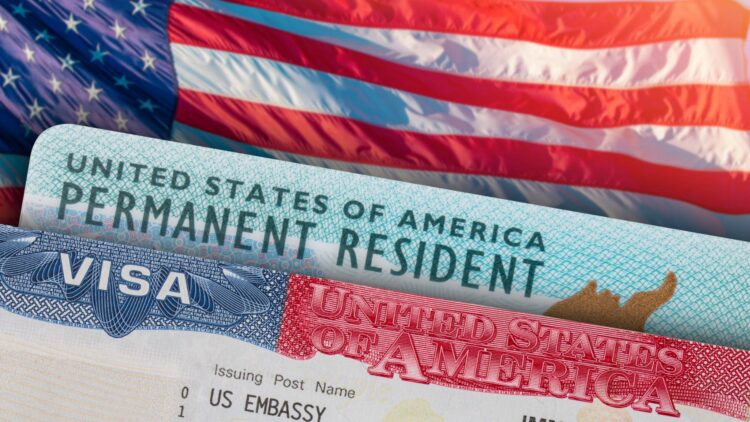
In the past, having a Green Card was almost like an impenetrable shield, invulnerable unless you committed a very serious crime. However, the landscape has changed under the Donald Trump administration, and the government is no longer passively waiting for you to make a mistake in the future.
From now on, massive resources are being devoted to scrutinizing the lives of foreign residents in the United States. Permanent residency remains a privilege, and in this new climate of “zero tolerance,” that privilege must be defended with paperwork and absolute order. We discuss what paperwork you need to do and how to collect information that proves you have been a law-abiding member of the community.
Exhausting investigations
The process of obtaining a Green Card was exhausting, but once you got it, you could relax. That is now a thing of the past; the government has created units exclusively dedicated to auditing old immigration files. They will focus on asylum cases and residencies that were approved from 2021 onwards.
Needless to say, this order has caused an indefinite pause in many refugee procedures. Thousands of refugees and asylum seekers are now seeing their cases frozen while their stories are verified. In addition, on December 4, 2025, a reduction in the validity of work permits (EAD) was announced. From now on, immigrants will have to renew their permits more frequently, allowing the government to conduct security checks more often.
The scrutiny is universal, even extending to nationalities that were previously considered protected. People who obtained their papers through channels that are now suspected of systematic fraud will also be affected by these audits.
Three reasons your Green Card might be revoked
If you want to protect yourself and document the legitimacy of your residence in the United States, you must first know the three main reasons why the government could revoke your right of residence:
The first reason is fraud. If you lied on your original application 10 years ago—for example, by entering into a sham marriage or omitting an arrest in your home country—your legal resident status could be revoked today. For immigration authorities, a lie told in the past never expires.
The most common mistake among residents is “Abandonment of Residence.” It is not enough to carry the plastic card in your wallet; you must also be very mindful of the time you spend in the country. If you are outside the United States for more than six months, it raises suspicion and questions at customs. If you spend more than a year abroad without a re-entry permit, the law automatically assumes that you no longer live here.
The third reason is crime and national security. This obviously includes serious crimes, legally known as crimes of moral turpitude. Under the strict criteria of 2025, political ties or past donations to groups that are now considered risks to the country’s security are also being reviewed.
FAQs
I received a letter from USCIS (NOIR/NTA), what should I do?
Do not ignore it—under any circumstances. You have very strict deadlines to respond. We recommend that you contact an immigration lawyer immediately and gather evidence of your life in the U.S. (taxes, employment, housing, etc.) to appeal your case.
What documents should I have ready “just in case”?
You should have your tax returns (IRS) for each year as a resident, old and new passports, historical proof of address, and certified proof that you have no criminal record (or court documents if you had any incidents).
I am in the process of applying for residency. How do I prove that I am a “good immigrant”?
Document your financial solvency (e.g., that you have health insurance and employment), your integration (English course diplomas, evidence that you interact with your local community), and that you comply with the law (e.g., paying taxes or child support). A well-organized folder with all your documents is the best cover letter to a USCIS officer.