
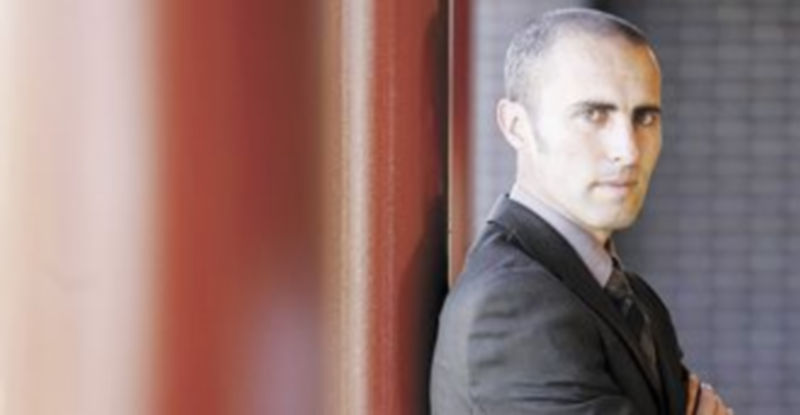
Esperan que el germen de cambio sea una realidad el 22 de mayo y no se confirme la caída que les dan las encuestas. El coordinador del Comité de Estrategia del PSCyL, Julio López, subraya que en estas elecciones «no toca» juzgar al Gobierno, sino ver que puede hacer la Junta para mejorar el bienestar de los ciudadanos de Castilla y León
¿Cuál será la idea o mensaje del PSOE en estas elecciones?
En estas elecciones hay que hablar de Castilla y León. Ser conscientes de que es una tierra de oportunidades, que todos sus ciudadanos pueden aprovechar. En esa tarea la principal administración responsable es la Junta porque no en vano dispone de un presupuesto de 10.000 millones para prestar los servicios que más afectan a los ciudadanos. Por tanto, la idea central va a ser esa: hablar de Castilla y León y de lo que necesitan los ciudadanos.
¿Cuáles serán los ingredientes de la campaña?
Primero que se nos identifique con una imagen de credibilidad en los mensajes y en los medios que utilizamos. Por ejemplo, no habrá nada que no proponga Óscar López que no haya comentado en estos más de dos años como secretario general. Algo que en el PP no se consigue porque hace unos días presentaron una propuesta de ordenación del territorio que nadie se puede creer porque llevan diez años sin hacer nada. Y credibilidad en los medios que utilizamos para llegar a los ciudadanos. López es una de la generación del twitter y facebook, que tiene 4.200 seguidores.
¿Qué ideas dominarán en el programa electoral
La ordenación del territorio, la mejora de los servicios públicos de calidad y la creación de empleo, que contribuirán a intentar solucionar el problema más importante que es la despoblación. Más una redefinición de las competencias de las diputaciones y la necesaria mejora de la financiación de los ayuntamientos harán que los castellanos y leoneses perciban un mejora del funcionamiento de las instituciones que tienen que prestar los servicios. A partir de ahí, hablaríamos de una sanidad pública frente a la privatización, de la defensa de las escuelas públicas infantiles o de nuestra apuesta por la creación de residencias públicas para mayores frente al negocio que a nuestro juicio hace la Junta con los mayores.
¿Qué puede ofrecer Óscar López ante un rival que lleva diez años en el Gobierno regional?
En las formas, Óscar López es una persona con ambición y ganas de trabajar mientras que Juan Vicente Herrera puede parecer resignado. Otra cualidad sería la cercanía. Con respecto al fondo, el contraste es muy evidente. El responsable de un gobierno autonómico puede decir que la cosa va bien porque se han ido 60.000 jóvenes. Frente a eso López tiene una idea clara de qué quiere hacer y, por eso, es imprescindible un debate.
¿Cree que lo habrá?
Si se confirmara el no, sólo se puede explicar porque tienen algún temor a que los ciudadanos comprueben que hay otra forma de gobernar. Me parece que la propuesta del PP es un poco farsa, ya que hay que hablar de lo que se puede hacer por los ciudadanos y ya han reconocido que van a hablar del Gobierno.
